

As power Blocks Battle for the Soul of the University
Front Desk Report
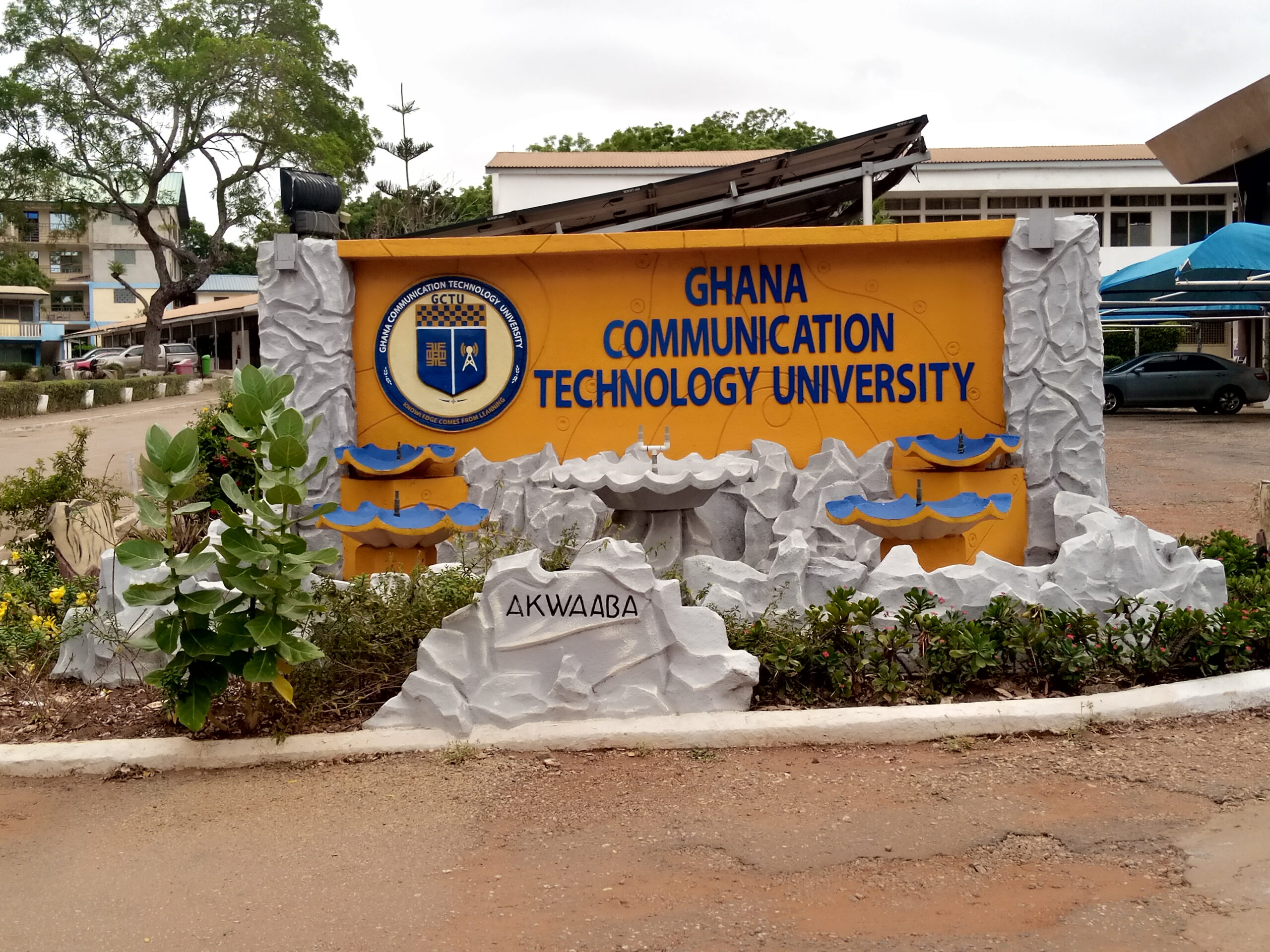
Ghana Communication Technology University (GCTU) has become the unlikely center of a governance storm that now stretches far beyond academia touching the Presidency, Manhyia, national security structures, and the country’s tertiary education regulators.
What began as a leadership dispute has evolved into a complex web of alleged influence‑peddling, regulatory inconsistencies, and institutional vulnerabilities that analysts say could reshape public trust in Ghana’s higher‑education system.
At the heart of the controversy is former Vice‑Chancellor Prof. Emmanuel Ohene Afoakwa, whose attempted return to office has triggered one of the most politically charged governance battles in recent memory. Leaked conversations, internal memos, and regulatory correspondence reviewed by The New Republic reveal a story that reads less like a university dispute and more like a case study in power networks, institutional fragility, and the economics of influence.
Multiple insiders allege that the former Vice‑Chancellor claimed to possess direct lines of influence to the Presidency and Manhyia assertions that, if true, would represent a profound breach of governance norms. One leaked message captured the tone of the moment: “I’m told the former VC is coming back tomorrow… Otumfuo instructed JM and GTEC director to reinstate him.”
While none of the institutions named have confirmed these claims, the allegations alone have raised questions about whether the outcome of the leadership dispute was predetermined long before due process could run its course.
The situation escalated when sections of the university community were reportedly encouraged to prepare for a symbolic “return date” of 4th May, with some staff allegedly told to wear white to welcome the former VC. The optics were unmistakable: confidence in a comeback that seemed to defy legal, administrative, and regulatory realities.
Perhaps the most troubling dimension involves Ghana’s intelligence apparatus. Portions of leaked intelligence assessments allegedly used to shape decisions around the former VC’s eligibility show inconsistencies, conflicting timelines, and selective omissions.
A line from the document captures the concern: “Any intelligence report from BNI cannot be trusted until proper investigations without interference are done.”
If these inconsistencies are verified, they would raise serious questions about whether state security reports were influenced, compromised, or selectively framed to support a predetermined outcome
The GCTU saga intersects with a broader national issue: the proliferation of unrecognized academic credentials. The Ghana Tertiary Education Commission (GTEC) recently listed CASS European Institute of Management Studies as number 50 on its April 2026 list of unrecognized institutions.
Yet leaked letters show that the former VC wrote to GTEC insisting that CASS programmes were fully accredited claims GTEC formally rejected in writing:
“CASS… is currently not recognised by GTEC. It does not hold accreditation from the relevant authority in its home country.”
The implications are enormous. Individuals with CASS-linked qualifications reportedly occupy key positions within GCTU, national security agencies, and public institutions. Governance experts warn that this represents not just an academic risk, but a national security vulnerability.
Fresh allegations suggest that the former Vice‑Chancellor retained possession of official university vehicles despite the termination of his secondment an issue reportedly escalated to the Tesano police. Sources claim he expressed confidence that “the system” remained behind him, citing political and security backing.
Even more startling are claims that arrangements were being discussed for his escorted re-entry into GCTU under state security protection. While unverified, the allegations have intensified public concern about the potential misuse of state resources in an academic dispute.
Official documents from the University of Ghana and GTEC leave little ambiguity:
• His secondment legally ended 28 February 2026.
• His voluntary retirement from UG, accepted in writing, extinguished the employment relationship required to sustain secondment.
• GTEC formally affirmed that he must cease to hold office and hand over all university property.
In the words of GTEC’s March 2026 letter:
“The directive requiring the cessation of office… is appropriate, lawful, and procedurally sound.”
This means any attempted reinstatement would have lacked legal foundation.
The GCTU saga has become more than a university dispute it is now a national governance test. At stake are fundamental questions:
• Can public universities operate free from political interference?
• Are intelligence agencies insulated from influence?
• Can regulators enforce standards when powerful networks are involved?
• Will whistleblowers be protected when their findings implicate influential actors?
The government has repeatedly stated its commitment to non-interference in university governance. President Mahama, the Vice-President, and the Education Minister have all publicly affirmed this stance. Yet the GCTU controversy challenges whether these assurances hold under pressure.