

By Leo Nelson
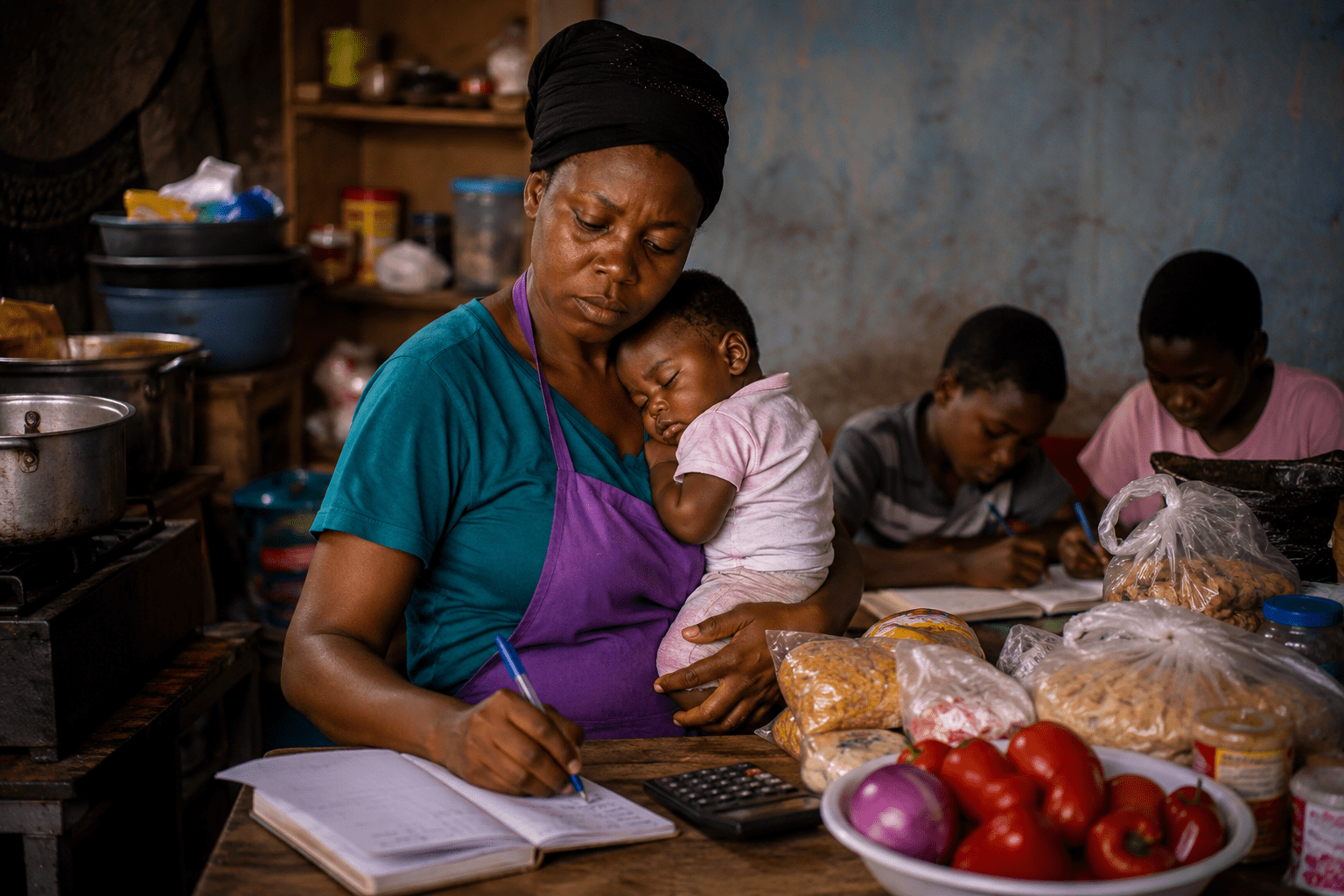
As the world celebrates Mother’s Day today, for many Ghanaian mothers, motherhood has increasingly become an exercise in economic survival.
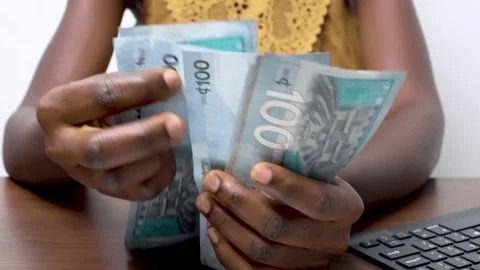
Across homes in Accra, Kumasi, Ho, Tamale, Takoradi, and countless communities beyond the country’s commercial centres, women are redesigning family budgets daily in response to rising food prices, transport fares, school expenses, rent pressures, and unstable incomes.
Some now skip meals so their children can eat. Others juggle multiple streams of income while managing households with little financial security. Kitchens have quietly transformed into catering businesses. Bedrooms double as online shops. WhatsApp statuses have become marketplaces for clothing, pastries, wigs, cosmetics, and household items.
Behind Ghana’s cost-of-living crisis lies a less discussed reality. Mothers are increasingly absorbing the economic shocks affecting households across the country.
Recent data from the Ghana Statistical Service shows that headline inflation increased marginally to 3.4% in April 2026 from 3.2% in March, marking the first uptick after 15 months of consistent easing.
Contrary to earlier trends, non-food inflation was the primary driver, rising to 4.2% due to surging costs in housing, utilities, and fuel. Meanwhile, food inflation actually eased slightly to 2.2%.
Economists maintain that the high baseline of living costs continues to disproportionately affect women, who remain largely responsible for managing household food security and caregiving in the face of persistent price pressures.
The pressure is reshaping domestic life in profound ways. In many homes, mothers now rely heavily on susu groups, mobile money credit, and informal borrowing systems to sustain families between paydays. Others have reduced household consumption, switched children from private schools to public schools, or delayed healthcare spending to prioritise school fees and feeding.
The United Nations Children’s Fund has repeatedly warned that economic hardship often pushes families into harmful coping mechanisms that affect child welfare, nutrition, and education outcomes. In a 2024 statement on child poverty and inflation, UNICEF noted that rising living costs continue to deepen vulnerabilities for low-income households across many developing economies.
For many Ghanaian mothers, those realities are no longer abstract economic indicators discussed on radio programmes or in policy documents. They are daily negotiations taking place in kitchens, markets, pharmacies, and school compounds.
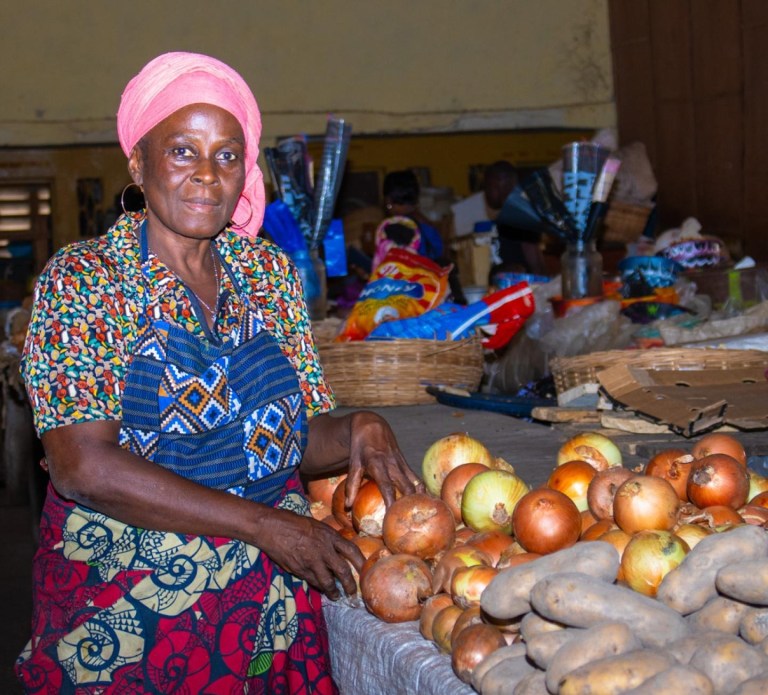
At several major markets across Accra, women who previously depended solely on trading are now diversifying income sources to survive. Some sell cooked food in the mornings before opening their regular stalls. Others livestream products online at night after putting children to bed.
Financial analysts say the rise of informal micro entrepreneurship among women reflects both resilience and economic desperation.
According to the Ghana Statistical Service’s 2024 Annual Household Income and Expenditure report, women remain heavily represented within Ghana’s informal economy, where incomes are often unstable and social protections are limited.
The report also notes that women continue to spend a larger share of household income on food, education, and caregiving responsibilities. According to the Annual Household Income and Expenditure Survey (AHIES), women in Ghana are significantly more likely to be employed in the informal sector.
Recent GSS data indicate the informal sector employs nearly 80% of the total workforce, with women making up a disproportionate share of these workers, often as street vendors, domestic workers, or subsistence farmers. The 2024 AHIES findings confirm that female-headed households often face higher levels of food insecurity and spend a larger proportion of their income on immediate household needs.
Specifically, food insecurity in female-headed households peaked at 44.1% in 2025, significantly higher than the national average.
The economic strain is also beginning to reshape parenting patterns and emotional well-being within households. Mental health experts increasingly link financial pressure to rising emotional exhaustion among caregivers, particularly mothers attempting to balance paid work with domestic responsibilities.
Studies show that nearly 51 per cent of working women report experiencing high levels of daily stress compared to 39 per cent of men, while mothers continue to shoulder the overwhelming majority of invisible household responsibilities, including scheduling, planning, organising, and caregiving duties often referred to as the “mental load” of the home. Researchers say this imbalance is strongly associated with burnout, emotional fatigue, and relationship strain.
The World Health Organisation has further warned that prolonged economic stress can heighten anxiety, exhaustion, and psychological distress within households, especially where women carry most caregiving responsibilities.
Globally, the WHO estimates that depression and anxiety contribute to roughly US$1 trillion in lost productivity annually, underscoring the growing economic consequences of declining mental well-being.
Yet despite these pressures, many women continue to function as the financial stabilisers of their homes.
Globally, women are estimated to perform more than three-quarters of unpaid care and domestic work, according to UN Women. Executive Director of UN Women, Sima Bahous, stated during the 2024 International Day of Care and Support observance that if unpaid care work were assigned monetary value at minimum wage, it would amount to approximately $10.8 trillion annually, representing nearly 9 per cent of global GDP.
In Ghana, similar patterns continue to emerge. Findings from the Ghana Time Use Survey conducted by the Ghana Statistical Service indicate women spend substantially more time on unpaid domestic labour and caregiving than men, even while participating in income-generating activities.
Economists argue that this hidden labour is one reason many households continue to withstand difficult economic conditions despite inflationary pressures. While national conversations often focus on interest rates, debt restructuring, exchange rates, and fuel prices, less attention is paid to the unpaid emotional and domestic management taking place inside homes daily.
Some analysts believe Ghana’s economic recovery conversation cannot be separated from the experiences of mothers managing households under pressure.
For many women, love itself has become an economic strategy.
Every reduced meal portion, every postponed personal expense, every late-night side business, and every sacrifice quietly made to protect children from hardship reflects a deeper reality beneath the statistics. In difficult economies, mothers often become the first line of financial defence for families.
This Mother’s Day, while restaurants fill with celebrations and social media timelines overflow with tributes, many Ghanaian mothers will spend the day much like every other, quietly managing the arithmetic of survival.
Between rising food costs, overdue bills, school expenses, and shrinking household incomes, motherhood for thousands of women has become not only an act of love, but an unending exercise in economic resilience.
Beneath the public celebration lies a more difficult national reality. Across the country, mothers are increasingly carrying the emotional and financial weight of keeping families afloat in an economy where every cedi now demands a sacrifice.