

But Public Expectations Are Rising
By Prince Ahenkorah
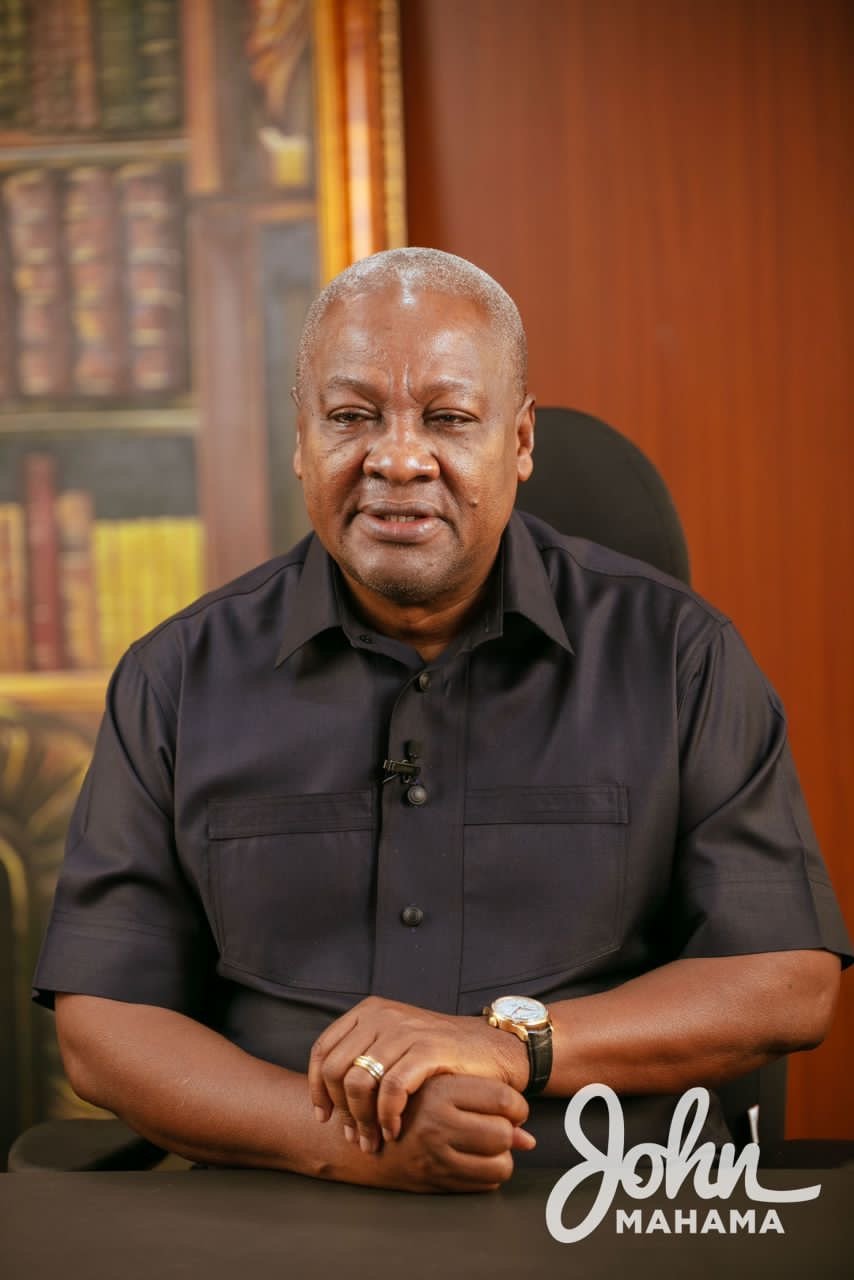
Ghana’s eighteen‑month‑old Mahama administration has received another boost from fresh polling by the Institute of Economic Affairs (IEA), which reports that 58.9% of Ghanaians approve of the President’s job performance.
But behind the headline numbers lies a more complex political economy story one that blends genuine macroeconomic gains with simmering public anxieties about electricity, corruption, and the pace at which reforms translate into daily relief.
The IEA poll, conducted nationwide in May 2026, suggests that the administration’s aggressive macroeconomic stabilisation drive is resonating with voters. The data points are striking:
• Inflation down from 23.5% to 3.4%
• Cedi appreciation of 26%
• Bank of Ghana policy rate cut from 27% to 14%
• Commercial lending rates down from 32% to 20%
• Debt‑to‑GDP ratio falling from 61.8% to 45.3%
International credit rating agencies Fitch, Moody’s and S&P have responded with a rare triple upgrade, a symbolic endorsement of Ghana’s fiscal turnaround.
Unsurprisingly, 73.5% of respondents who approve of Mahama’s performance cite the economy, while another 16% point to improvements in road infrastructure. These numbers reflect a public that recognises the administration’s macro‑level achievements, even if the benefits remain unevenly felt.
Yet the same poll reveals the fault lines that could complicate the government’s political calculus. Among those who disapprove of Mahama’s performance, 30.9% cite the economy a reminder that macro stability does not automatically translate into household‑level comfort. Another 29.9% blame electricity challenges, a sector where reforms have lagged behind public expectations.
Corruption cited by 19.1% of disapprovers remains a persistent governance concern, despite the administration’s messaging around institutional strengthening.
The IEA notes that Mahama’s current 58.9% approval rating represents a decline from 68% in December 2025. While still robust, the drop signals that public patience may be thinning as citizens look for tangible improvements in living standards.
The report concludes that Ghanaians remain broadly supportive of the President’s leadership but are increasingly expectant that macroeconomic gains will “be felt in their daily lives” a subtle warning that the administration’s political capital, though substantial, is not inexhaustible.
For a government entering the midpoint of its term, the poll offers both validation and caution. The economic narrative is working for now. But electricity reliability, corruption perceptions, and the pace of social‑level improvements could become decisive issues if left unaddressed.
As it stands, the numbers tell one story; the political undercurrents tell another. Mahama’s challenge will be converting macroeconomic wins into lived improvements before public goodwill begins to erode more sharply.