

Author: Godson Bill Ocloo
Somewhere in Ghana today, a young student sits in a classroom under the influence of drugs. Another young person who once dreamed of becoming a doctor, engineer, teacher, entrepreneur, soldier, police officer, or public servant is struggling with addiction. In another community, a parent watches helplessly as a promising child gradually drifts away from education, productivity, and purpose.
These are not isolated stories. They represent a growing national crisis that threatens not only the health of individuals but also the future security, stability, and development of Ghana.For years, discussions about drug abuse have largely focused on criminality, law enforcement, and public health concerns.
While these dimensions remain important, they tell only part of the story. The larger and more troubling reality is that drug abuse is gradually evolving into one of the most significant human security threats facing our country. The issue is no longer confined to ghettos, street corners, or criminal hideouts. It is increasingly finding its way into schools, homes, transport stations, mining communities, tertiary institutions, and workplaces. It is affecting young people who should be preparing to become the workforce, innovators, leaders, and nation-builders of tomorrow.
As Ghana joined the international community to commemorate World Drug Day 2026 under the theme “The World Drug Problem: Persisting Issues, New Challenges, Innovative Response,” the Narcotics Control Commission (NACOC) has raised the alarm over the growing incidence of drug abuse among Senior High School students, linking the trend to increasing indiscipline and risky behaviour.
At the same event, NACOC announced the arrest of an alleged kingpin and accomplices connected to a methamphetamine trafficking syndicate valued at approximately US$296 million. These developments should concern every Ghanaian.
The first highlights a growing demand problem among young people. The second exposes the existence of sophisticated criminal networks profiting from that demand. Together, they reveal a dangerous reality: Ghana is confronting both the supply and demand dimensions of a growing drug crisis.
The question before us is no longer whether drug abuse is a problem. The evidence already answers that. The real question is whether we fully appreciate the scale of the threat and the implications it holds for our future as a nation.
Beyond Drugs: Understanding the Human Security Challenge
Traditionally, security has been viewed through the lens of military threats, crime, and the protection of state institutions. Human security takes a broader approach. It focuses on protecting people from threats that undermine their health, livelihoods, dignity, opportunities, and overall well-being.
Viewed through this lens, drug abuse is not merely a public health problem. It is a threat to health security, educational security, economic security, community security, and ultimately national development. Every nation depends on the quality of its human capital. Ghana is no exception. Our greatest national asset is not our gold, oil, cocoa, or natural resources. It is the energy, creativity, skills, and productivity of our people, particularly our youth.
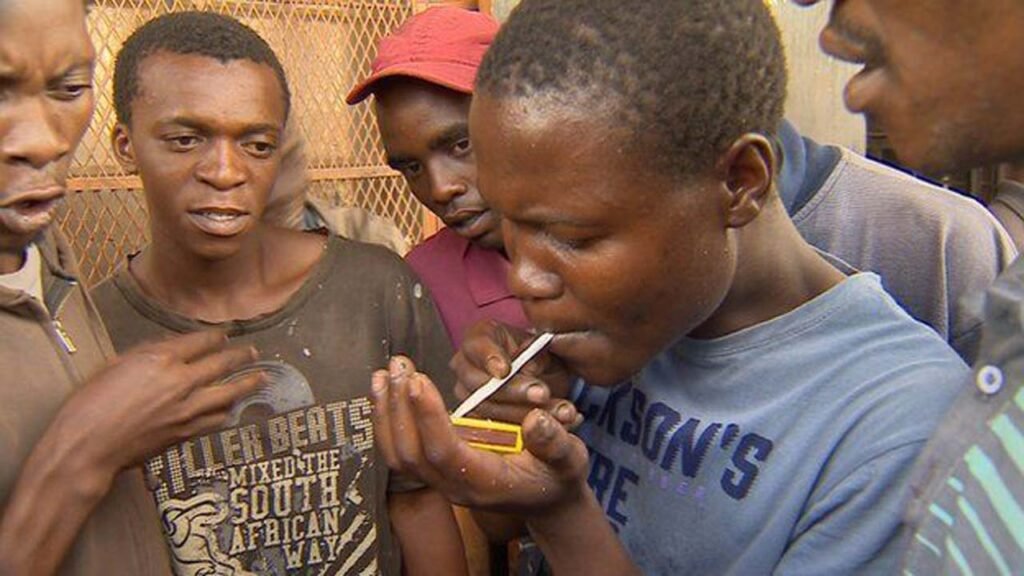
When young people fall into substance abuse, the consequences extend far beyond the individual user. Families suffer. Educational outcomes decline. Communities become vulnerable. Healthcare systems become burdened. Productivity falls. The nation loses future leaders, innovators, professionals, and skilled workers.
A Mental Health Emergency in Slow Motion
One of the most troubling dimensions of the drug crisis is its close relationship with mental health. Across the country, increasing numbers of young people face unemployment, academic pressure, social expectations, family difficulties, and economic hardships.
For some, drugs become a temporary escape from reality. However, what often begins as experimentation or coping eventually develops into dependence. Substance abuse has been linked to anxiety, depression, emotional instability, impaired judgment, addiction, and other serious psychological disorders. In many cases, drug use worsens the very challenges it was intended to alleviate.
The result is a growing mental health burden that threatens the resilience of individuals, families, and communities. If left unchecked, Ghana risks raising a generation struggling not only with addiction but also with long-term psychological and social challenges.
Schools Should Build Futures, Not Addiction
Perhaps the most alarming warning from NACOC concerns the increasing incidence of drug abuse among Senior High School students. Schools are expected to be centres of learning, discipline, character formation, and human capital development. They are where the next generation of teachers, nurses, engineers, scientists, entrepreneurs, military officers, police officers, and public servants are nurtured. When drugs begin to infiltrate these institutions, the nation should be deeply concerned. Drug abuse among students is not merely a disciplinary issue. It is a threat to educational outcomes, workforce development, and national competitiveness.

Every student who abandons education because of substance abuse represents a loss of talent that Ghana can ill afford. The future workforce of Ghana is sitting in our classrooms today. Protecting them must become a national priority.
The Silent Destruction of Human Capital
The true cost of drug abuse cannot be measured solely by arrests, seizures, rehabilitation costs, or hospital admissions. It must also be measured in lost potential. It is measured in the brilliant student who never graduates. It is measured in the skilled worker whose productivity declines. It is measured in the entrepreneur whose dreams are cut short. It is measured in the young professional whose career never reaches its full promise. Human capital is the foundation of every successful economy. When that capital is weakened, national development suffers. Drug abuse is quietly eroding the very resource Ghana needs most to achieve sustainable growth and prosperity.
Threatening Ghana’s Demographic Dividend
For years, Ghana’s youthful population has been viewed as one of the country’s greatest strategic advantages. Economists describe this opportunity as the demographic dividend, the economic benefit that arises when a large proportion of the population is young, healthy, educated, skilled, and productively employed. However, a demographic dividend is not automatic. If increasing numbers of young people become trapped in addiction, poor mental health, unemployment, and social exclusion, the expected dividend may become a demographic burden.
The future prosperity of Ghana depends on the choices we make today regarding the protection and development of our youth.
Drug Trafficking, Organized Crime and National Security
The arrest of an alleged kingpin linked to a US$296 million methamphetamine syndicate demonstrates that Ghana’s drug challenge extends beyond individual behaviour. Drug trafficking fuels organized crime, corruption, illicit financial flows, and community insecurity. Criminal networks profit enormously while communities bear the social and economic costs.
The availability of drugs in schools, communities, mining areas, transport hubs, and urban centres is not accidental. It is sustained by networks that view human vulnerability as a business opportunity. This reality requires a dual response: reducing demand through prevention, education, treatment, rehabilitation, and youth empowerment while simultaneously disrupting the criminal networks that facilitate the trade.
From Public Health Concern to National Security Priority
Recent statements by senior government officials suggest that Ghana is beginning to recognize the broader security implications of the drug problem. Speaking at the 2026 World Drug Day commemoration, the Chief of Staff, Hon. Julius Debrah, described drug abuse and illicit trafficking as a growing national security and public health crisis. He warned that organized crime continues to evolve and threaten communities while undermining national development. His remarks are significant because they acknowledge a reality that security experts have long highlighted: drug abuse is no longer simply an individual problem. It affects communities, weakens institutions, fuels criminal networks, and threatens national resilience.
Similarly, the Minister for the Interior, Hon. Muntaka Mohammed-Mubarak, emphasized that while law enforcement remains indispensable, sustainable solutions depend on values, responsible parenting, effective community leadership, and collective action. His appeal to students to guard their future against the destructive effects of drugs reflects the growing concern about the vulnerability of young people.
Equally significant is government’s emerging decision to introduce drug screening as part of recruitment processes into the security services. This policy direction reflects a broader recognition that substance abuse can undermine discipline, judgment, operational effectiveness, public trust, and institutional integrity within critical state institutions. Security agencies depend on discipline, sound judgment, emotional stability, and professionalism. Ensuring that recruits are free from substance abuse is therefore not merely a health matter but also a national security imperative.

From a human security perspective, this development sends a powerful message: drug abuse threatens both the people who consume drugs and the institutions responsible for protecting society. When a nation begins to worry about the impact of substance abuse on the quality of future security personnel, it signals that the problem has evolved into a strategic national concern.
A National Responsibility
The fight against drug abuse cannot be left to NACOC, the Police Service, or security agencies alone. Parents must be involved. Schools must be involved. Religious institutions must be involved. Traditional authorities must be involved. The media must be involved. Government must invest more in prevention, rehabilitation, mental health services, youth empowerment programmes, and public education. Protecting Ghana’s youth requires a whole-of-society approach.
Conclusion
The warning from NACOC regarding rising drug abuse among Senior High School students and the exposure of a US$296 million methamphetamine syndicate should serve as a national alarm bell. The fact that government is considering drug screening as part of recruitment into the security services further demonstrates that the consequences of substance abuse are no longer viewed solely through the lens of health or criminal justice. They are increasingly being recognized as matters of national preparedness, institutional effectiveness, and human security.
The future police officer, soldier, teacher, nurse, engineer, entrepreneur, public servant, and national leader that Ghana needs tomorrow may be among the young people struggling with substance abuse today. Drug abuse is no longer merely a public health issue. It is a human security crisis. It threatens mental health, human capital, national productivity, social stability, and the future workforce upon which Ghana’s development depends.
History will not judge us by the quantity of drugs seized or the number of traffickers arrested. History will judge us by whether we acted in time to save a generation. The greatest threat facing Ghana may not be what crosses our borders. It may be what is silently destroying the minds, health, and potential of the young people upon whom our future depends. The time to act is now.
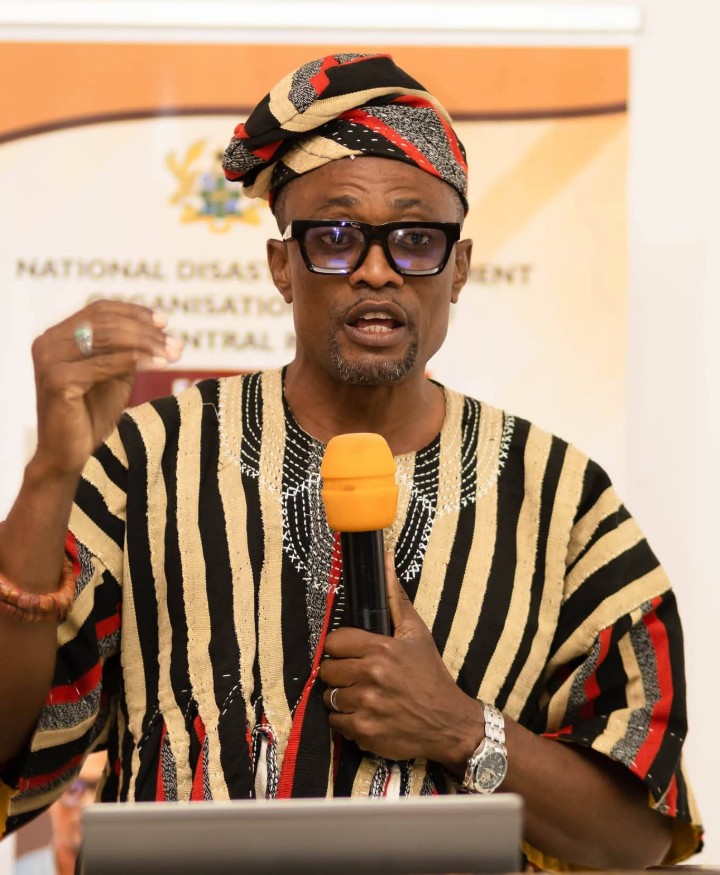
The writer is a Human Security Analyst and Disaster Risk Management Practitioner.