

as Tax Account Row Escalates
By Philip Antoh
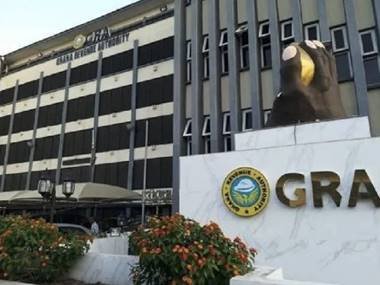
The Ghana Revenue Authority (GRA) is challenging a GH¢79.65m judgment debt awarded to Servestar Minwax (WA) Limited, a sum it says bears no relation to a claim that began as less than GH¢1m in overpaid import duties dating back to 2009. The dispute has placed the GRA Tax Refund Account at the centre of a legal and fiscal confrontation, with implications for how the state shields taxpayer funds from attachment.
On 22 July 2026, High Court Commercial Division 3 issued a Garnishee Order directing the Bank of Ghana to pay GH¢79,651,132 from the GRA Tax Refund Account to Servestar Minwax and its director, Henry Manly-Spain. The award includes a 35 per cent daily compound interest.
The GRA maintains the account cannot be attached as directed. It cites Section 69 of the Revenue Administration Act, 2016 (Act 915), arguing that the Refund Account is statutorily protected and designated solely for legitimate refunds to taxpayers who have overpaid.
It has filed a Notice of Appeal against the entire ruling. The High Court denied its initial application for a stay of execution; the Authority plans a renewed application at the Court of Appeal. It has also applied to set aside the Garnishee Order Absolute and requested a forensic reconciliation of the judgment sum.
On 20 August 2026, the Court granted the request for a forensic audit, appointing an independent auditor to review and reconcile the amount claimed by the plaintiff. The GRA believes the claimed figure is excessive and has mandated an internal audit to identify any lapses in the reconciliation and litigation process.
In an unusual twist, the GRA confirmed receiving a petition from Manly-Spain himself, urging the Authority not to disburse the judgment amount. He publicly declared that, based on documents submitted to his solicitor, his legitimate claim for overpaid duties and the value of containers sold was significantly less than the amount awarded by the Court. The GRA commended his “exceptional honesty, integrity, and patriotism.”
The Authority reaffirmed that it would not permit unvalidated judgment debts to be paid from tax revenue. It emphasised its commitment to the rule of law, stating it would comply with lawful court decisions while vigorously defending the interests of the State.
The case tests the statutory protection around the GRA’s refund account, a facility meant for taxpayers but now threatened by attachment. It also raises questions about interest calculations, court oversight and the risk of fiscal leakage through disputed judgments. A GRA defeat could expose refund accounts to garnishee orders, with potential budget implications. A GRA victory may strengthen the shield around tax administration funds but raise concerns about access to justice for taxpayers with legitimate refund claims.