

By Philip Antoh
The Civil Society Organisation (CSO) Platform on Constitutional Reforms has called on the Constitution Review Implementation Committee (CRIC) to ensure that the views of ordinary citizens are central to the reform process.
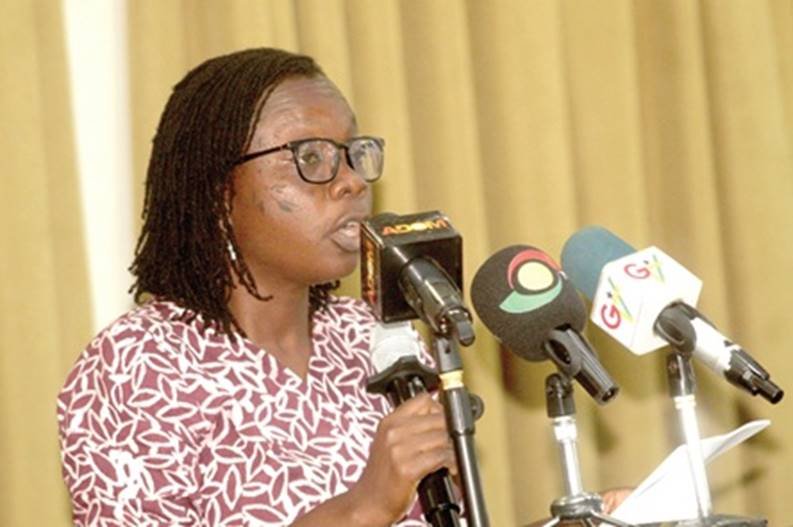
Speaking at a press conference in Accra yesterday, the Chairperson of the platform, Prof. Akosua Darkwah, insisted that the review must be people centred. She argued that Ghanaians must be adequately informed, consulted, and given a genuine platform to express their views.
“Most importantly, they must be able to see how their contributions influence the outcome,” Prof. Darkwah stated.
“That is the only way the outcome can earn the confidence of the Ghanaian people and stand the test of time.”
She emphasised that the Constitution belongs to the people and not to the government, Parliament, political parties, or legal experts.
Areas of Disagreement
Presenting the platform’s position paper, Prof. Darkwah highlighted a 16-point disagreement with the current trajectory of the reforms. Key concerns include the concentration of power in the presidency, the independence of governance institutions, accountability of public officers, and the protection of public resources.
The platform raised objections to the government’s approach of leaving critical protections to ordinary legislation instead of entrenching them in the Constitution.
Retention of Four-Year Term
On the contentious issue of tenure, the CSOs called for the retention of the four-year term for the President and Members of Parliament.
Prof. Darkwah noted that previously accepted reforms regarding election dates and transition periods already address concerns often used to justify extending the term.
She argued that if the government reconsiders its stance on limiting presidential powers and ensuring inter-branch accountability, the current four-year duration is sufficient.
Appointments and Governance
The platform advocated for a shift in the appointment process, suggesting that appointments should be made based on the character of the office.
They proposed that independent and oversight institutions should select appointees through transparent, competitive, and merit-based processes, rather than the process remaining under the broad discretion of the President.
Furthermore, the CSOs called for a clear separation of powers between the Executive and Parliament. They specifically recommended a constitutional prohibition against MPs serving on the boards, governing councils, and procurement committees of publicly funded institutions.
Decentralisation
Prof. Darkwah also endorsed the establishment of the proposed Devolution Commission.
She described the body as necessary for coordinating fiscal and administrative decentralisation, assessing the viability of districts, and preparing the country for the election of local chief executives.