

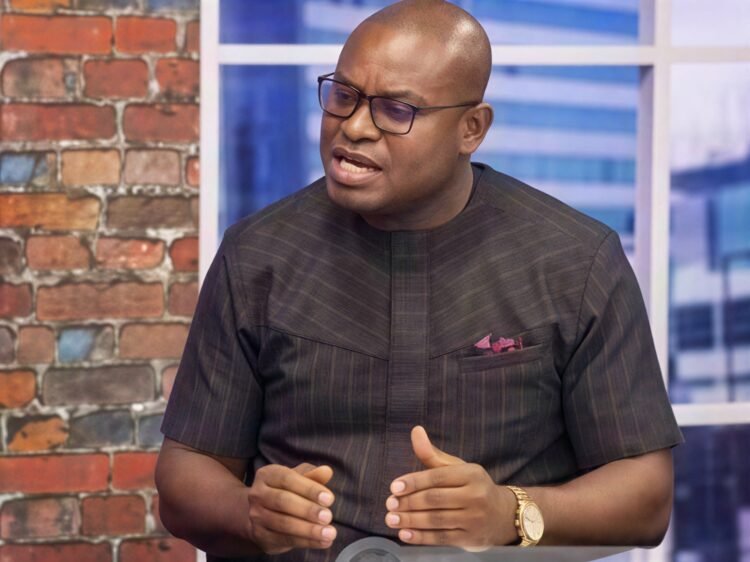
The Director of Communications for the NPP, Richard Ahiagbah has rejected suggestions that a plea bargain amounts to an admission of guilt in the case involving Bernard Antwi Boasiako, popularly known as Chairman Wontumi. He argued that legal processes must be assessed on evidence and judicial outcome.
The Communications Director stated that discussions surrounding the matter should remain grounded in the facts before the court. Ahiagbah stressed that no determination of guilt has been made and urged caution against conclusions that could mislead the public.
Ahiagbah explained that the plea bargain option did not originate from Chairman Wontumi or his legal team. He noted that the Attorney General provided the legal avenue as one of the options available within the judicial process.
“A plea bargain is a legal option available to an accused person. Choosing that option does not amount to an admission of guilt. Evidence must first be tested and assessed before any conclusion can be reached.”
The Communications Director emphasised that legal provisions exist to give accused persons choices in the conduct of their defence. He argued that exercising a right provided under the law should not be interpreted as proof of wrongdoing.
Ahiagbah challenged attempts to link the plea bargain discussion to a finding of culpability. He contended that such arguments create an inaccurate impression of the legal process and the rights available to individuals before the courts.
The NPP Communications Director also urged commentators to distinguish between legal procedures and judicial verdicts. He explained that the ultimate question of guilt can only be settled through due process and the appropriate legal determination.
Additionally, Ahiagbah emphasised the importance of accurate public discourse on matters before the courts. He stated that discussions should focus on the substance of the legal options available instead of assumptions about outcomes.
The Communications Director stated that Chairman Wontumi and his lawyers are entitled to consider any lawful option available to them. He added that the existence of such an option does not alter the principle that guilt must be established through evidence.
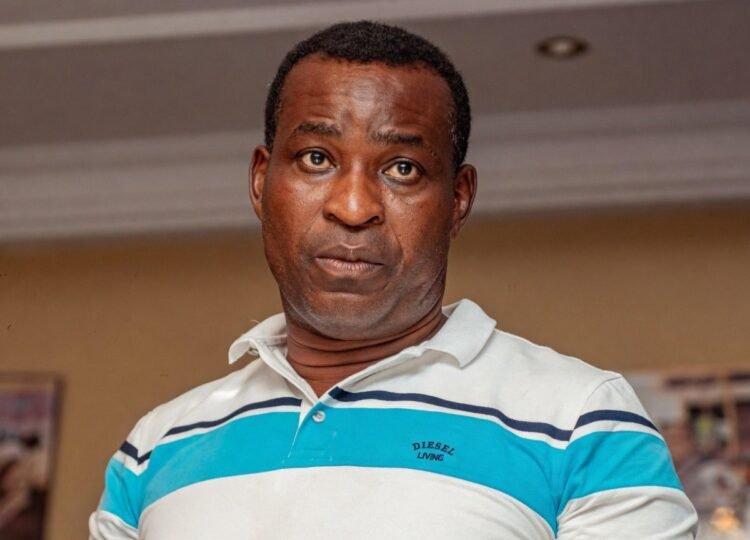
The Director of Communications for the NPP argued that concerns being raised by some politicians should be directed at the institutions responsible for introducing the legal option.
The Communications Director stated that the Attorney General opened the door for a plea bargain arrangement. Consequently, he said criticisms of the option should be addressed to the government.
“If some people disagree with plea bargaining, they should engage the authorities who made it available. The option was introduced through the legal process and remains part of the framework provided by the state.”
Ahiagbah described the controversy surrounding the matter as an unnecessary distraction from the core legal issues. He asserted that the debate has increasingly focused on political narratives instead of the procedural realities of the case.
The Communications Director also challenged claims that the matter should be viewed as a test case for future prosecutions. He argued that attempts to frame the issue in that manner risk distorting public understanding of the facts.
Addressing corruption related issues, Ahiagbah revisited claims made during the 2024 election campaign regarding the recovery of billions of cedis allegedly lost through corruption. He noted that those claims featured prominently in political messaging and public debate of the NDC.
According to him, subsequent disclosures by officials including the Attorney General, the Deputy Attorney General and EOCO official Yaw Donkor have raised questions about the basis of those earlier allegations. He argued that accountability efforts should continue while remaining firmly grounded in evidence.
“Public service is a trust and every public officer must account for actions taken in office. Where questions arise, the law must take its course and the facts must determine the outcome.”
The Communications Director stressed that the NPP supports lawful accountability for public officials. He indicated that any individual facing legitimate allegations should cooperate with legal processes and answer questions raised by the appropriate authorities.
Ahiagbah nevertheless insisted that accountability should not be confused with assumptions of guilt. He argued that legal options available under the law should not be presented as proof of wrongdoing before a court reaches a decision.