

As households and businesses bear the brunt
By Leo Nelson
The Africa Sustainable Energy Centre (ASEC) has expressed deep apprehension regarding the persistent electricity outages currently impacting diverse regions across Ghana, formally urging an immediate, comprehensive transition toward predictive maintenance protocols and Artificial Intelligence (AI)-powered grid management systems to stabilize the national energy supply.
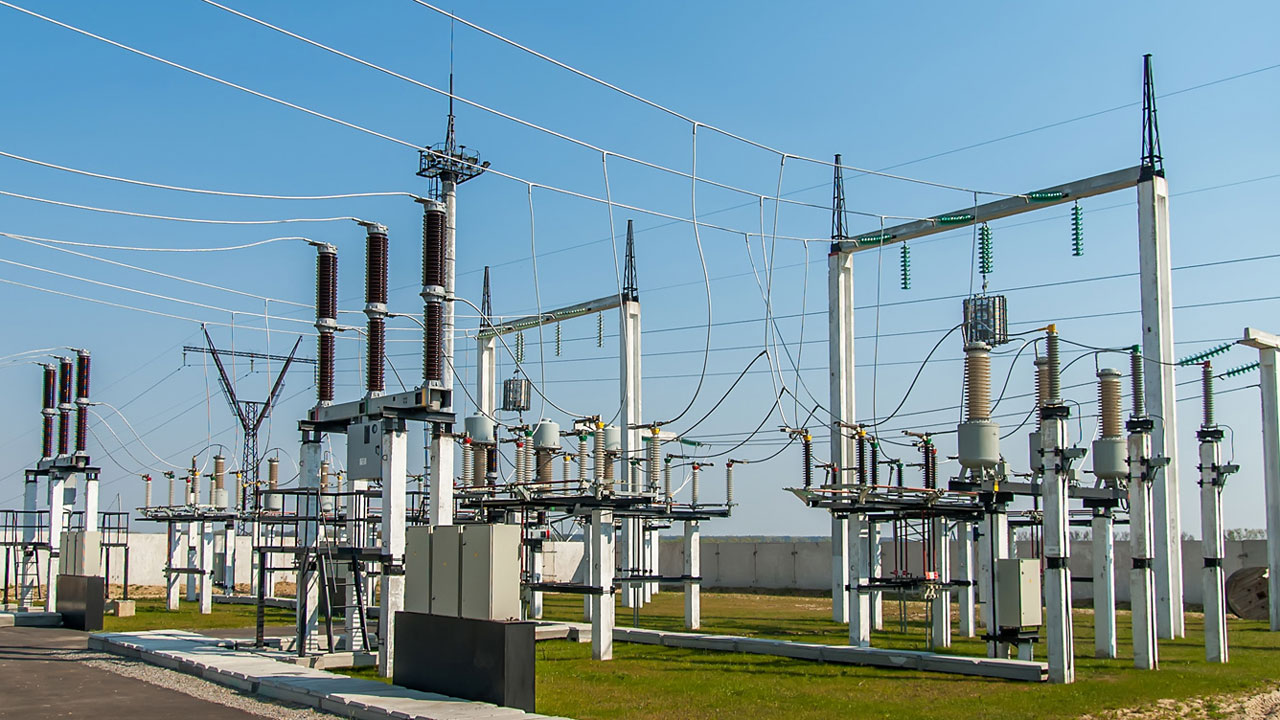
This urgent call for structural and technological reform targets the operational inconsistencies plaguing key national institutions specifically the Ghana Grid Company (GRIDCo), the Electricity Company of Ghana (ECG), and the Ghana National Gas Company which have struggled to maintain system reliability amidst recent, recurring failures in critical control infrastructure.
By highlighting the vulnerability of these legacy systems, the Centre emphasizes that the current state of the national grid demands a departure from outdated, reactive maintenance models that often lead to widespread, cascading outages.
“ASEC notes that the current disruptions reflect broader operational and infrastructure challenges across key institutions responsible for power generation, transmission, and distribution, including Ghana Grid Company (GRIDCo), the Electricity Company of Ghana (ECG), and Ghana National Gas Company. In particular, recent incidents linked to failures in critical control systems further underscore the need for improved maintenance culture and system resilience.”
The ongoing power instability in Ghana functions as more than a mere technical frustration; it serves as a significant bottleneck to national economic productivity.
For households, frequent blackouts jeopardize safety, compromise food storage, and disrupt essential access to social services and education, particularly for students requiring stable lighting for evening studies.
The erratic nature of the power supply frequently leads to damage to sensitive electrical appliances, imposing unplanned replacement costs on families already grappling with inflationary pressures.
Businesses face even harsher consequences, as the energy-intensive nature of manufacturing, services, and small-to-medium enterprises (SMEs) requires uninterrupted power to maintain operational schedules.
Many firms are forced to abandon cost-effective grid electricity in favor of expensive, fossil-fuel-reliant backup generators to prevent total production stalls.
This shift not only inflates operational overhead but also threatens long-term investor confidence and risks job losses, as industrial productivity stagnates under the weight of an unreliable energy supply.
The urgent pivot to AI-driven management is essential because traditional, human-reliant monitoring cannot keep pace with the complexity of modern grid infrastructure.
AI systems excel by processing vast datasets in real-time, enabling utilities to perform “predictive maintenance” that identifies equipment wear and potential faults weeks before an actual failure occurs.
By utilizing machine learning algorithms to analyze sensor data from transmission and distribution networks, these systems can forecast energy demand patterns, optimize load balancing, and neutralize system anomalies before they manifest as blackouts.
Furthermore, integrating AI supports the modernization of the entire energy value chain. Beyond early fault detection, AI facilitates the seamless integration of variable renewable energy sources, which is vital for Ghana’s sustainable future.
As the Centre notes, this technological leap is an “economic imperative,” ensuring that the grid is not only more resilient against technical failures but also better equipped to manage the decentralized energy needs of a growing, modern economy.
Addressing these challenges requires a unified effort from all energy sector stakeholders to move beyond “short-term fixes” and invest in long-term resilience.
ASEC advocates for a multifaceted strategy that includes the fundamental modernization of transmission and distribution infrastructure, the strengthening of gas supply reliability to thermal power plants, and an enhanced focus on system redundancy and automation.
Ultimately, the goal is to transform the sector through rigorous research and policy advocacy.
As Ing. Ohene-Akoto emphasized, “The current power outages are a serious concern. However, they also present an opportunity to reset the system by embracing modern technology, strengthening institutions, and investing in predictive, intelligent infrastructure.”
By prioritizing these investments, Ghana can secure a more reliable, sustainable, and productive energy future for its citizens and the business community alike.