

By Leo Nelson
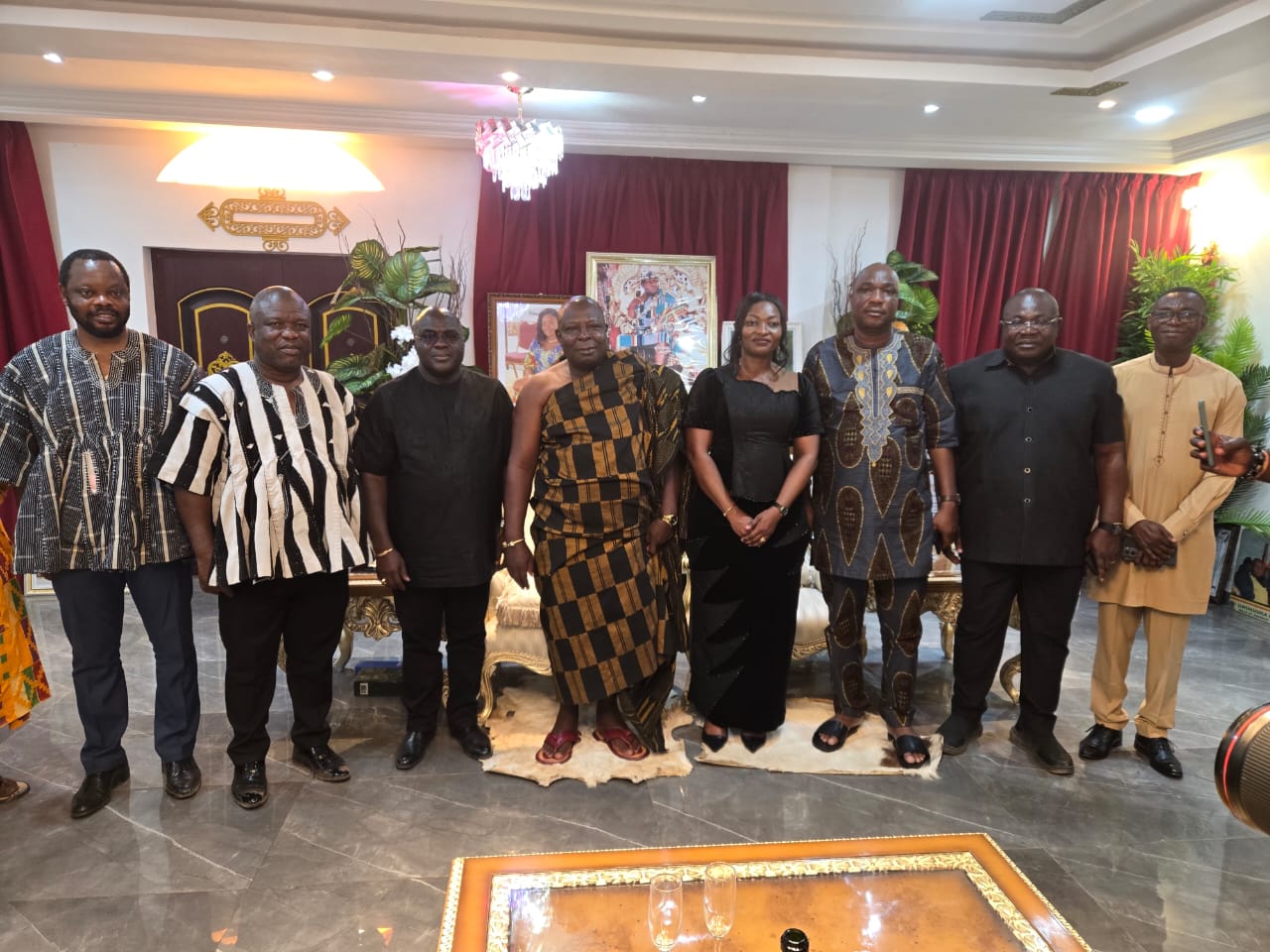
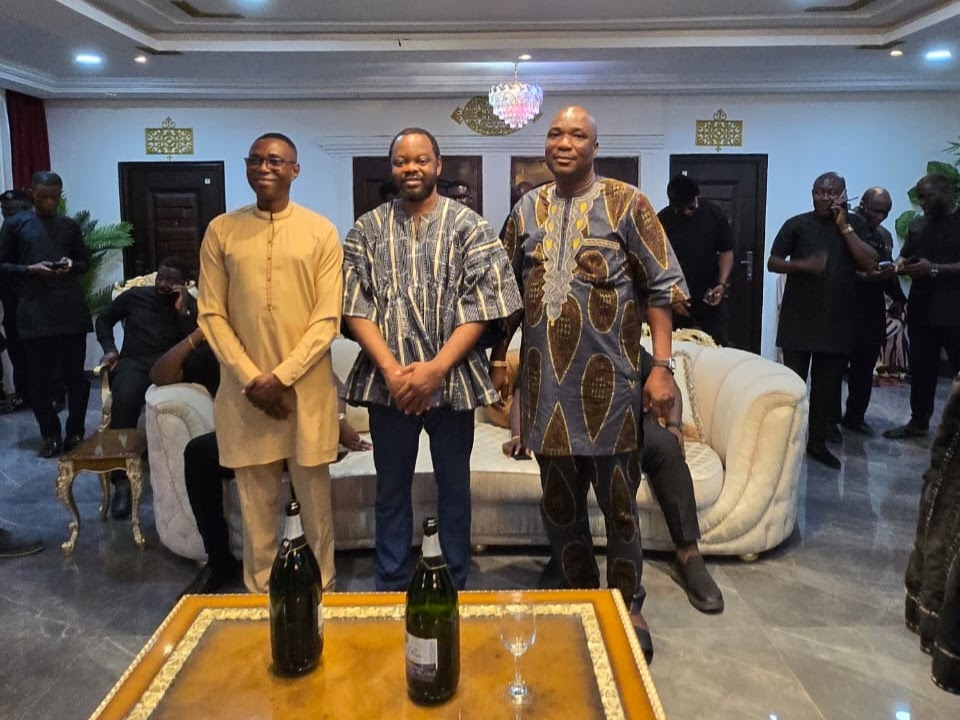
Ghana’s Chief of Staff, Julius Debrah, on Saturday, April 25, 2026, led a high-level government delegation to pay a courtesy call on the Aflao Traditional Council, in a move aimed at strengthening ties between government and traditional authorities.
The visit formed part of ongoing efforts by the government to deepen collaboration with traditional leaders in addressing developmental challenges and promoting peace and stability in the border town.
Debrah, addressing the chiefs and elders, underscored the critical role of traditional institutions in national development, describing them as indispensable partners in governance.
“Government recognises the authority and influence of traditional leaders in mobilising communities for development. We are committed to working closely with you to ensure that the needs of the people of Aflao and its surrounding communities are adequately addressed,” he stated.
He further assured the council of government’s readiness to invest in key sectors within the area, including infrastructure, security, and cross-border trade facilitation, given Aflao’s strategic importance as a major entry point into Ghana.
The Paramount Chief and President of the Aflao Traditional Council, Torgbiga Amenya Fiti V, speaking on behalf of the Traditional Council, welcomed the delegation and expressed appreciation for the visit, noting that it demonstrated respect for chieftaincy institutions.
He, however, outlined a number of pressing concerns facing the community, including poor road networks, inadequate sanitation, youth unemployment, and security challenges linked to cross-border activities.
“We are ready to support government initiatives, but we also expect that our concerns will be treated with urgency,” Torgbiga Amenya Fiti V said.
The engagement concluded with a closed-door meeting between the delegation and the traditional authorities, where specific development priorities and areas of cooperation were discussed.
The visit is seen as part of a broader government strategy to engage grassroots leadership and ensure inclusive governance across all regions of the country.