

…44 contacts placed under monitoring
By Prince Ahenkorah
Nigeria has confirmed its first case of Ebola Bundibugyo virus disease, with 44 contacts identified and placed under monitoring as health authorities intensify efforts to prevent further transmission.
The World Health Organization (WHO), in a Facebook post on Tuesday, October 20, 2026, said the patient is a woman who recently travelled from Uganda. She is currently in isolation and receiving medical care in Abuja, the Federal Capital Territory (FCT).
According to Nigeria’s Federal Ministry of Health and Social Welfare, the woman began showing symptoms on October 7 and sought treatment at a private health facility in Abuja on October 11. Laboratory tests confirmed the infection on October 20.
Health authorities are investigating the likely source of the infection and tracing people who may have come into contact with the patient. Infection prevention and control measures are also being strengthened at the facility where she received treatment.
The Nigeria Centre for Disease Control and Prevention has activated its incident management system to coordinate the national response.
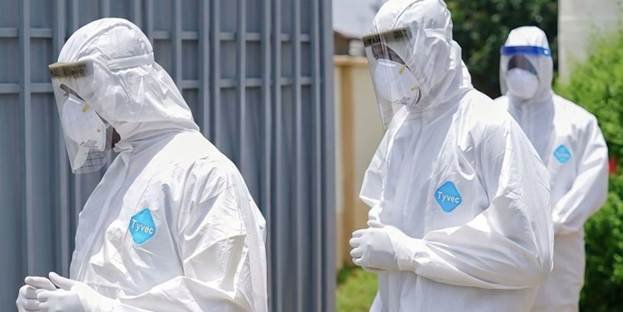
WHO said it is supporting Nigerian authorities with case investigations, contact tracing and essential supplies, including personal protective equipment for health workers.
Nigeria becomes the fifth country to detect Ebola Bundibugyo virus disease since an outbreak was declared in the Democratic Republic of the Congo (DRC) on May 15, 2026.
Data from Congolese health authorities indicated that more than 9,500 cases and over 4,200 deaths had been recorded as of October 18, making the outbreak one of the country’s deadliest.
Uganda also experienced an outbreak that was officially declared over in late August, while Kenya has reported nine cases linked to an imported infection. One case has also been reported in the Netherlands in connection with the outbreak.
There is currently no approved vaccine specifically available for the Ebola Bundibugyo virus disease outbreak, making early detection, effective infection control and contact tracing critical to containing its spread.
WHO has urged countries across the region to strengthen disease surveillance and maintain a high level of preparedness as the outbreak continues to evolve.
The organisation emphasised the need for rapid identification of suspected cases, timely monitoring of contacts and the capacity of laboratories to safely test suspected infections.
It is also working with partners and Nigerian health authorities to reinforce measures aimed at preventing further transmission.