

Denials Meet Freeze, Revocation and Arrests.
EOCO seizes accounts, BoG takes over operations and the CEO’s PR machine struggles to contain the damage as creditors circle.
By Stanley Asor
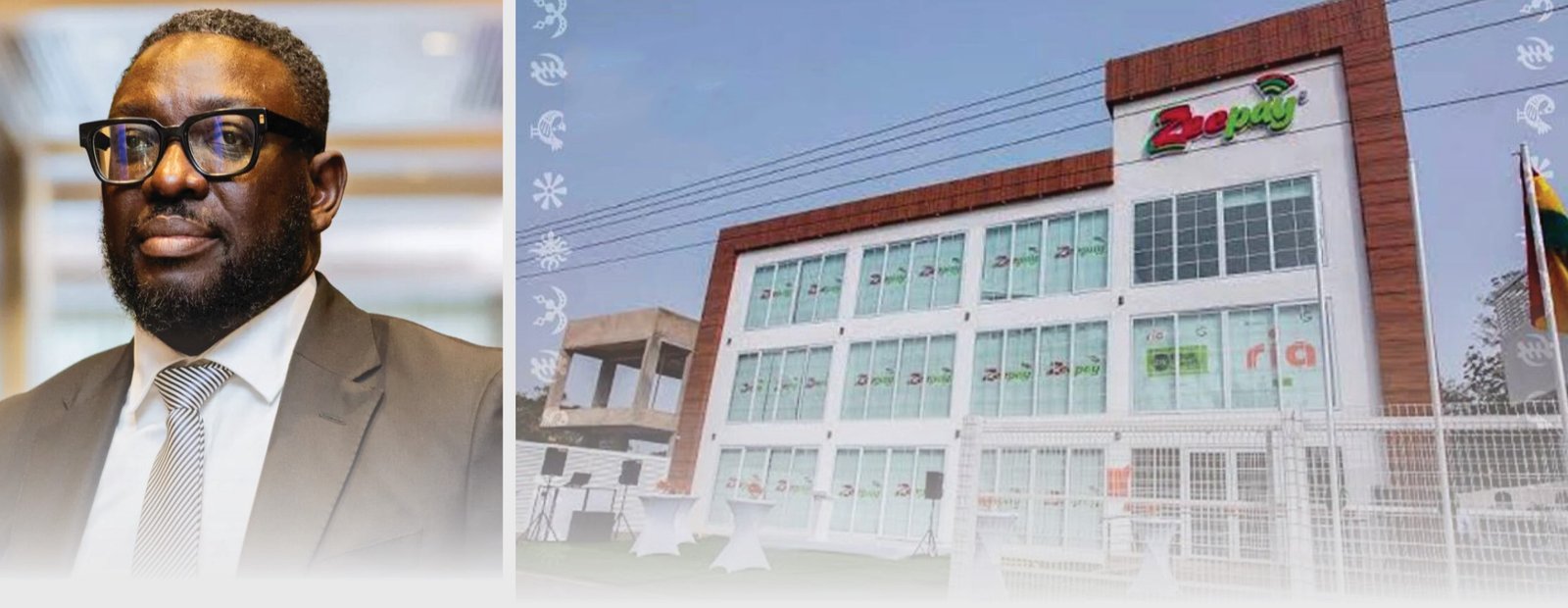
The fall of Zeepay Ghana is no longer a slow-motion regulatory crisis; it is a full-blown corporate collapse. The Economic and Organised Crime Office has frozen all accounts linked to the embattled fintech, following the arrest of CEO Andrew Takyi-Appiah and several directors on suspicion of mishandling client funds. They spent days in EOCO custody a fact that Zeepay’s public statements have carefully omitted.
The Bank of Ghana, meanwhile, had taken operational control of the company, a measure reserved for institutions deemed a systemic threat. The central bank’s 14 July revocation notice is damning: Zeepay issued electronic money without maintaining the required cash backing, failed to rectify the shortfall, and ignored a directive to wind down its e-money issuance.
The regulator concluded that continued operations “threatened the stability of the payment system.”
That is not a paperwork error. It is a finding that customer wallet balances were not fully backed the core obligation of any mobile-money issuer.
The Ghana troubles are mirrored abroad. In Barbados, Zeemoney, Zeepay’s subsidiary, had its licence suspended in early 2026 over “deepened concerns regarding financial condition, governance, and operational continuity.” It later opted for voluntary liquidation a rare and telling step for a regulated entity.
In the UK, both Zeepay UK Limited and Zeepay JV UK Ltd have failed to file financial statements. Creditors are pushing for liquidation. Companies House records show repeated compulsory strike-off notices, suspended only after last-minute filings.
The Financial Conduct Authority is now reviewing the group’s entire regulatory position, including discrepancies in registered addresses and the fact that Zeepay’s website still lists an outdated UK office and falsely claims to be regulated under the revoked Ghana licence. These are disclosure-hygiene failures, not proof of fraud, but they matter when customers and counterparties rely on the website for basic facts.
The courts are also piling on. The High Court of Ghana has entered a summary judgment of US$11.6 million against Zeepay and Takyi-Appiah personally, plus €8,500 and GH¢1.4 million, with interest. The ruling noted that substantial client payments were made into Takyi-Appiah’s personal mobile-money wallet a detail that raises profound questions about corporate governance. The Court of Appeal has refused a stay of execution, so enforcement proceeds.
A separate creditor, Obsidian Achernar Ltd, has filed a winding-up petition over an alleged US$1.223 million unpaid working-capital obligation.
Throughout this cascade, Takyi-Appiah has maintained a calm, conciliatory tone: “Zeepay Ghana Limited is working closely with the Regulator… to ensure an orderly, transparent and responsible approach.” But the facts tell a different story. EOCO has frozen accounts, not “cooperated.” The BoG has taken over operations, not “partnered.” Directors have been arrested, not “engaged.” Barbados has liquidated, not “remediated.” UK regulators are scrutinising, not “supporting.”
The gulf between public messaging and documented reality is now unbridgeable. Zeepay’s collapse spans three jurisdictions, multiple lawsuits, a criminal investigation, and a central bank takeover.
The once-celebrated fintech flag-bearer is now a case study in governance failure and its CEO’s denials are becoming a liability, not a defence. For the customers whose funds are frozen, the spin is cold comfort. The real test will be whether any of that money ever sees the light of day again.