

…as Jinapor’s attempt to hijack Colleges Principals sparks revolt
By Gifty Boateng
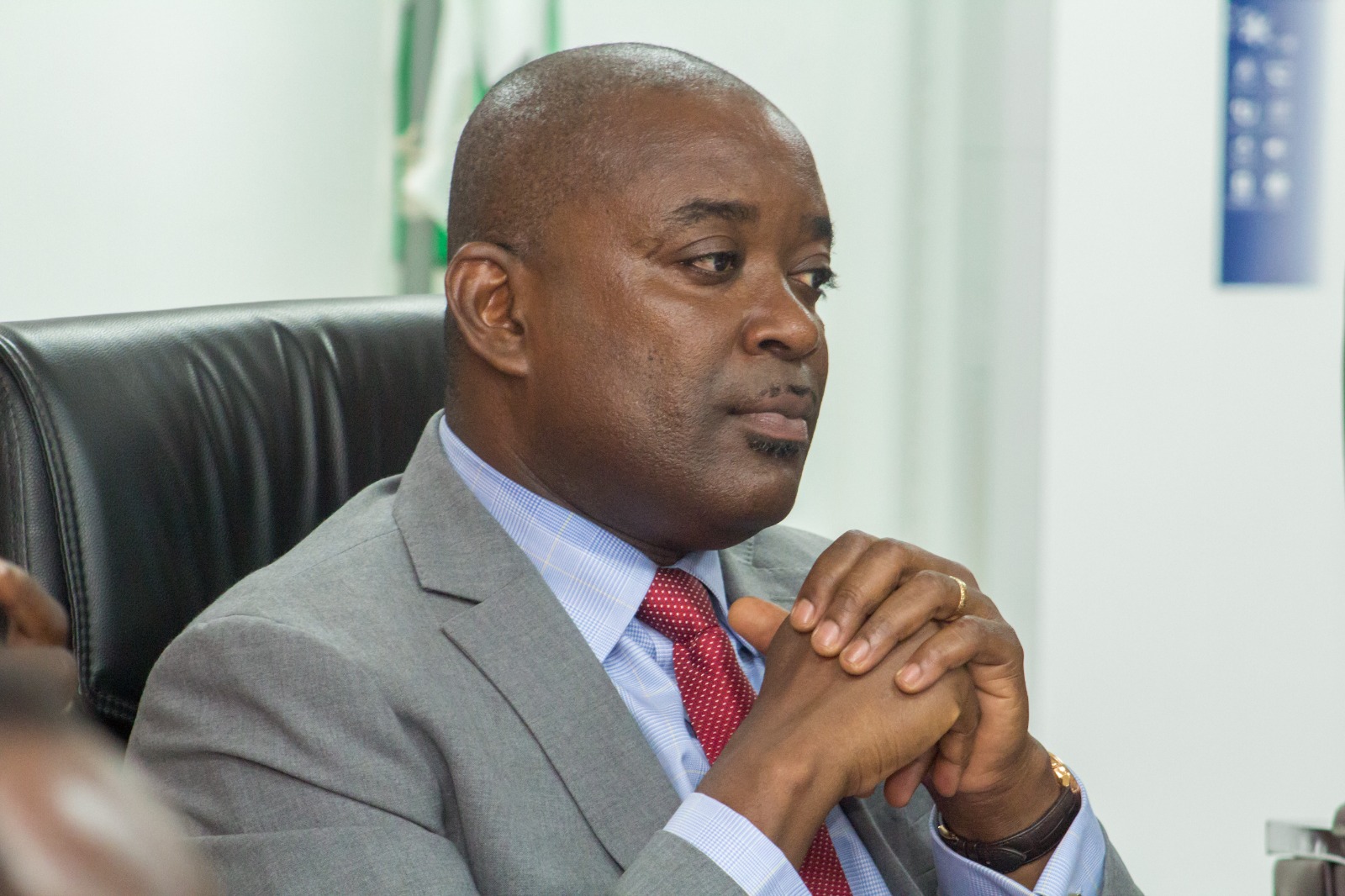
Professor Ahmed Jinapor, Director-General of the Ghana Tertiary Education Commission (GTEC), is treating the country’s Colleges of Education as his personal property.
His latest manoeuvre a 14 April 2026 directive ordering a “stay of action” on all Principal and Vice Principal appointments has convinced stakeholders that the man shifts goalposts not for policy, but for personal convenience.
The circular, signed by Institutional Support head Albert Akutetsu on Jinapor’s behalf, cites vague “transitional processes” and promises future consultations with the Ministry of Education. No timeline. No legal basis. Just a freeze.
Critics have unearthed Jinapor’s own 2022 guidelines, which stated that GTEC steps in only when governing councils are non‑functional. Today, councils are in place. Yet Jinapor is now constituting search committees himself.
“When the rules favour him, he quotes them,” one stakeholder said. “When they don’t, he rewrites them.”
The inconsistency is not accidental. Sources say Jinapor wants to hand‑pick loyalists for key college positions and the “stay of action” buys him time to tilt the playing field.
The University Teachers Association of Ghana (UTAG) has had enough. In April 2026, it issued a 14‑day ultimatum demanding Jinapor’s immediate removal, along with his deputy Professor Augustine Ocloo. The charge: regulatory overreach and unilateral decision‑making.
Jinapor has ignored the ultimatum. Instead, he doubled down with the stay‑of‑action order.
Micky Osei, Ashanti Regional TEIN Coordinator for the ruling NDC, has written a blistering critique. He reminds Jinapor that the NDC’s 2024 manifesto promised: “Empower Governing Councils of public tertiary institutions to function without external interference.”
Osei warns that Jinapor’s directive “introduces a troubling precedent: the creeping centralisation of authority” in a system deliberately designed for decentralisation and institutional autonomy.
“This issue is constitutional in spirit, institutional in consequence, and political in implication,” Osei wrote.
With multiple tenures expiring, the delay creates dangerous uncertainty. Osei notes that the stay of action “weakens administrative continuity and opens the door to perceptions of manipulation” including fears that Jinapor may favour preferred contenders.
A source close to GTEC put it more bluntly: “Jinapor wants to decide who becomes Principal where. He doesn’t care about the law. He cares about loyalty.”
The Ministry of Education has not yet responded. For President John Mahama’s government, already under pressure on multiple fronts, a rogue GTEC boss undermining the NDC’s own manifesto promise is an unwelcome headache.
But Jinapor appears unbothered. He has survived UTAG’s ultimatum. He has ignored the 2022 guidelines he himself wrote. And he continues to treat GTEC as his personal estateshifting goalposts, freezing appointments, and daring anyone to stop him.
Stakeholders are now demanding ministerial intervention. But the deeper question is structural: how did Ghana’s tertiary education regulator become a one‑man show? Until that is answered, Jinapor’s successor – whoever that may be will inherit not an institution, but a personal property. And the cycle will continue.