By Lawrence Odoom
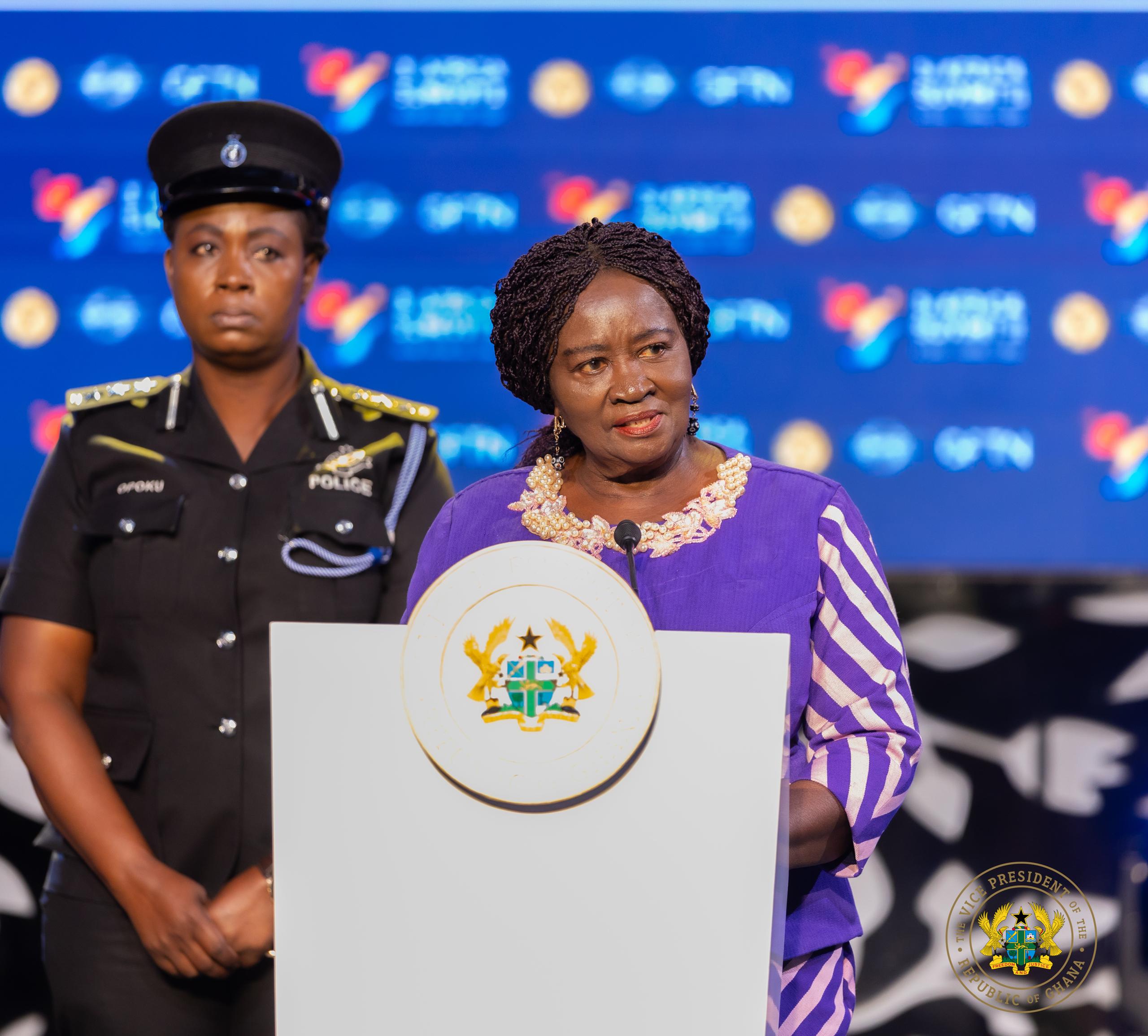
Vice President Prof. Naana Jane Opoku-Agyemang has called for a decisive pivot from rhetoric to execution in shaping Africa’s digital destiny, urging the continent to harness integration, innovation, and institutional strength to secure its place in the global economy.
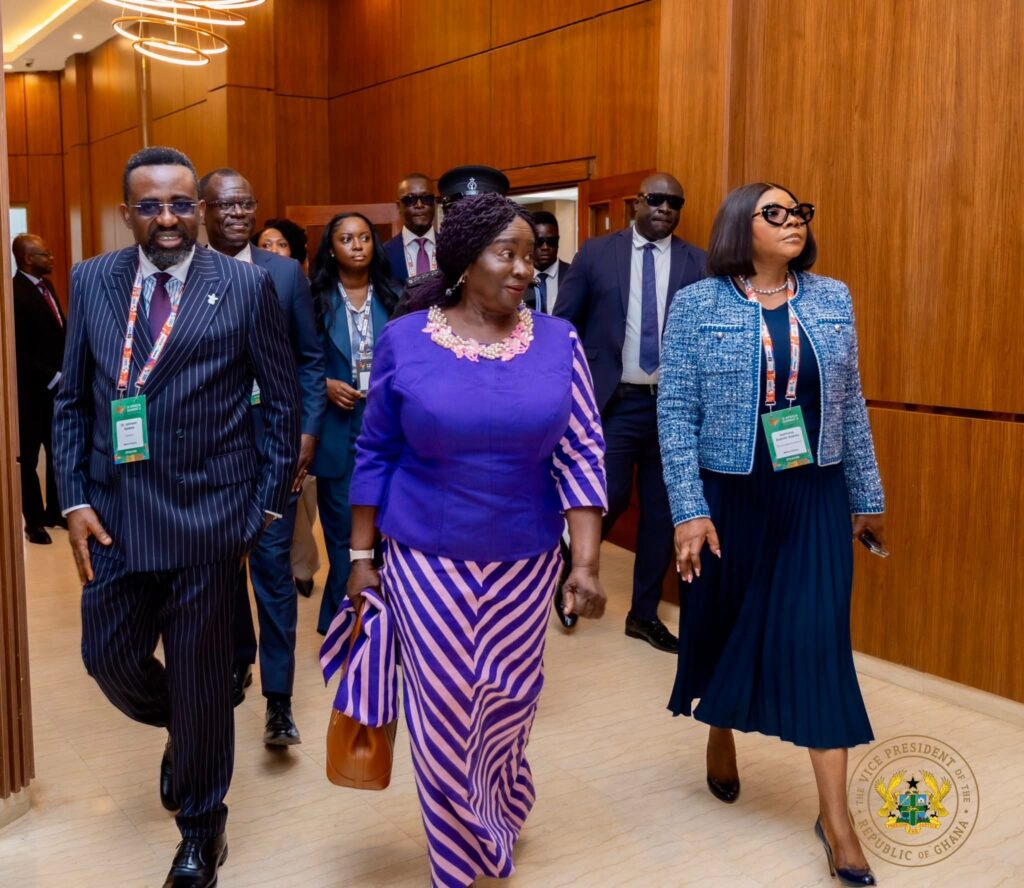
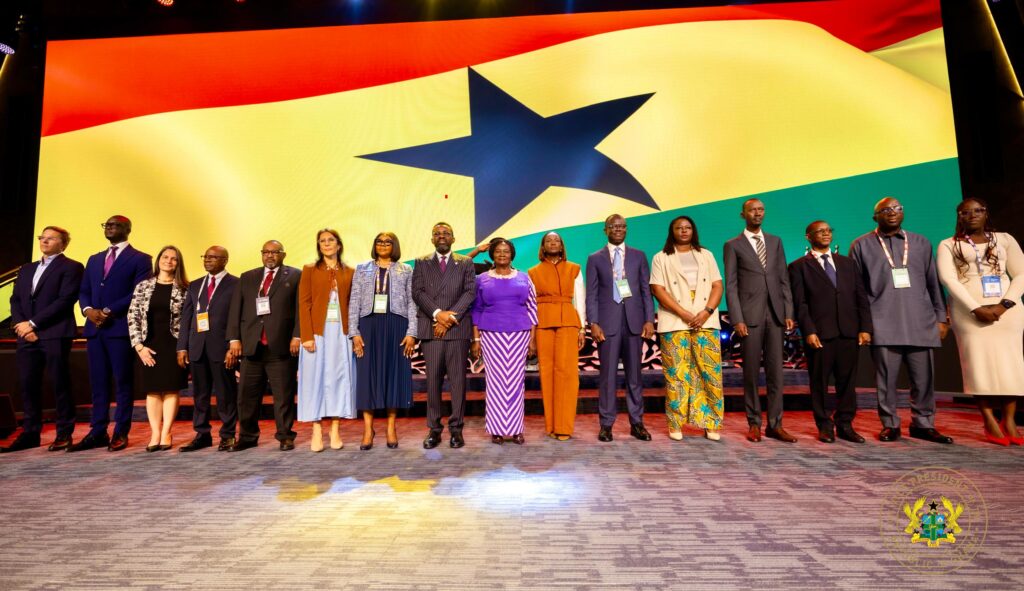
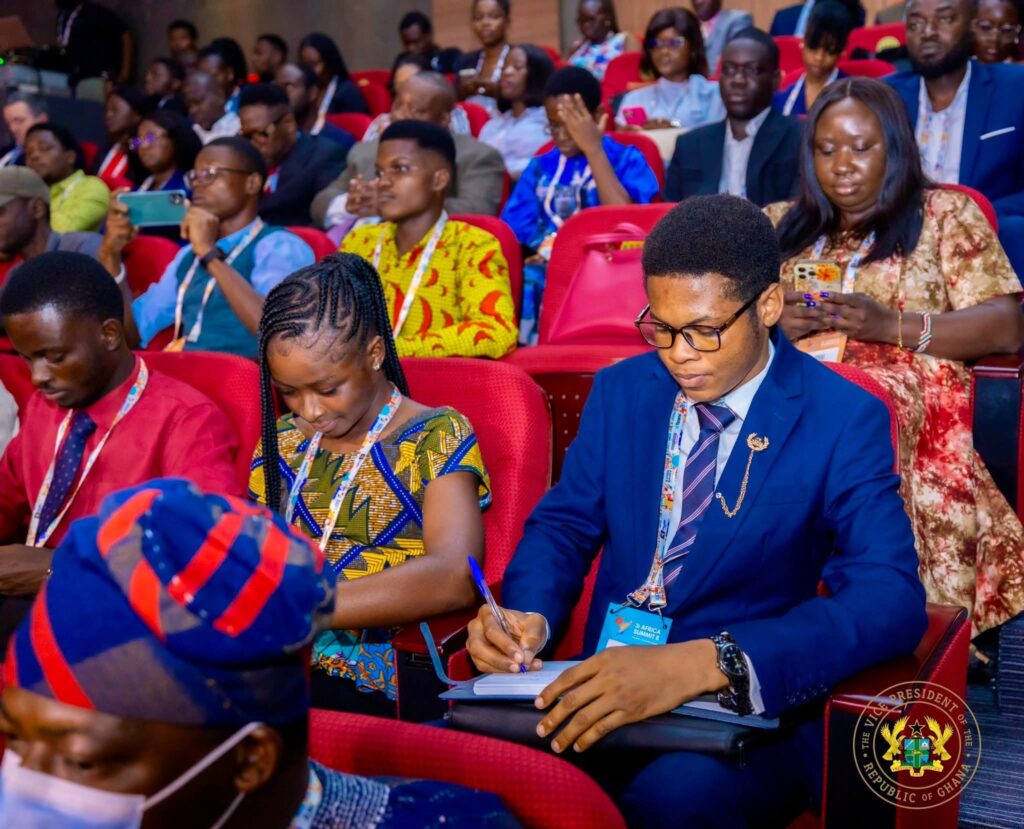
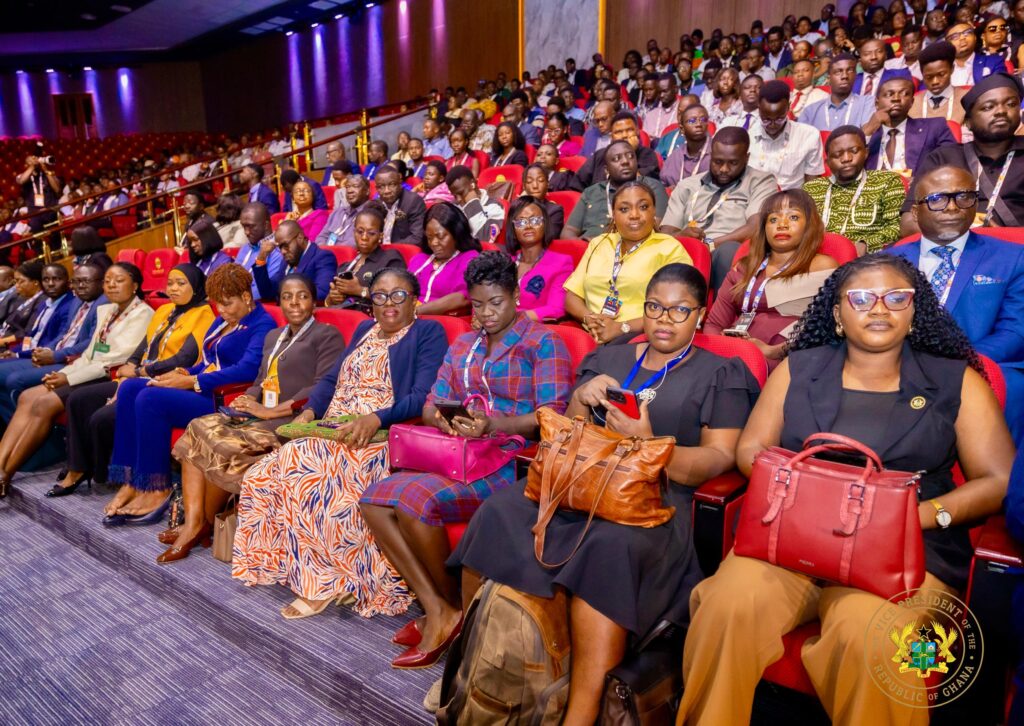
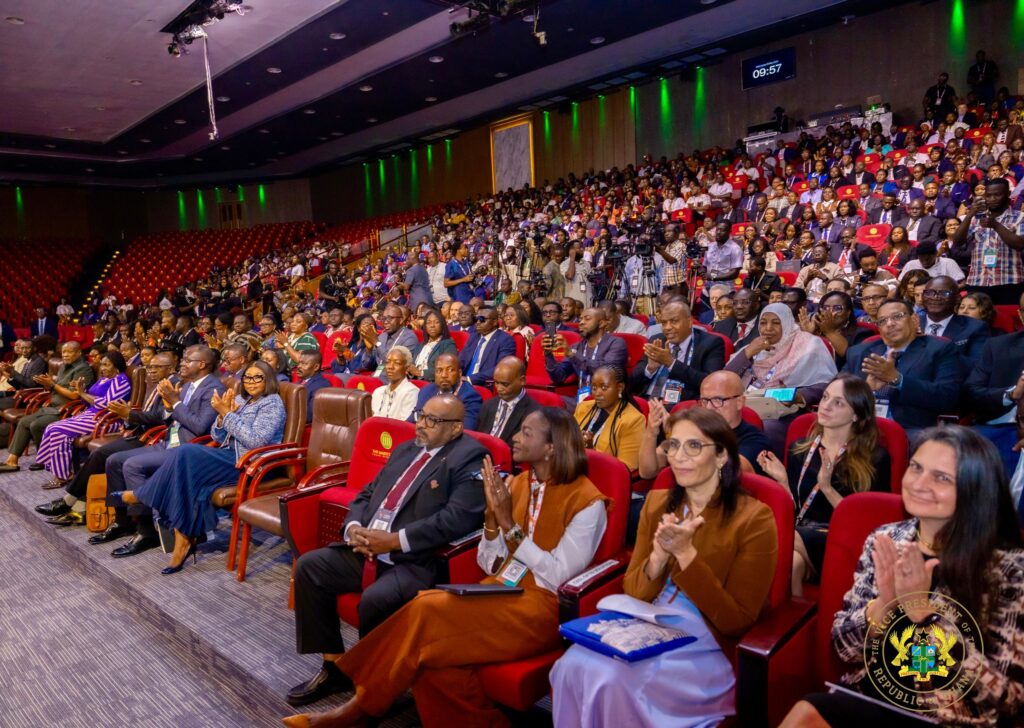
Speaking before an assembly of policymakers, innovators, financial leaders, and private sector stakeholders at the 3i Africa Summit 2026, themed Innovation, Investment, and Impact, the Vice President laid out a bold blueprint for a digitally integrated and economically sovereign Africa. The summit was hosted by the Bank of Ghana under Governor Dr. Johnson Asiama.
“Africa’s future will not be defined by how the continent is described, but by how effectively we organise, integrate, and build at scale,” Opoku-Agyemang stated. “Ghana’s role as a gateway to Africa must be measured not by aspiration, but by the resilience of our systems, the credibility of our institutions, and our ability to enable seamless business, trade, and innovation.”
She stressed that in an era of deepening global interconnectivity, economic sovereignty is now inextricable from digital integration — anchored on secure payment systems, trusted digital identity, harmonised regulation, and modern infrastructure.
While acknowledging Africa’s pioneering progress in mobile money, fintech, and digital identity, the Vice President noted that the next imperative is scaling these gains across borders.
“Through frameworks like the AfCFTA Digital Trade Protocol and platforms such as the Pan-African Payment and Settlement System (PAPSS), Africa has a rare opportunity to dismantle trade barriers, lower transaction costs, and deepen intra-African commerce,” she said.
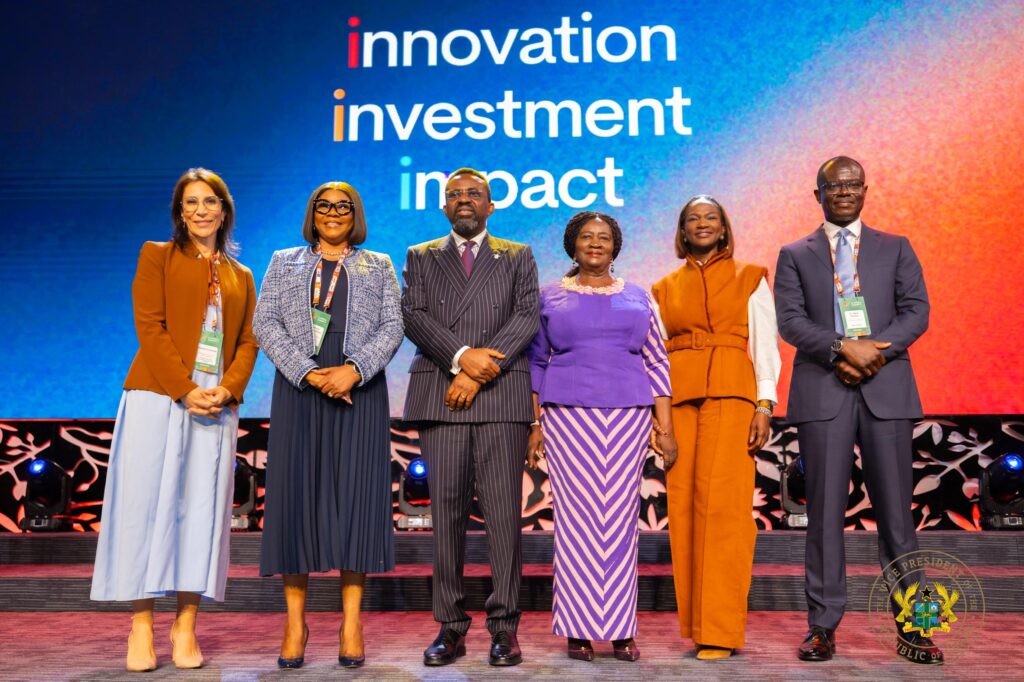
A defining highlight of the summit was Ghana’s announcement of a partnership with Rwanda, Zambia, and other allies to pilot a Continental Digital Trade Corridor.
The initiative will focus on three pillars: mobile money interoperability, mutual recognition of digital identities for cross-border KYC compliance, and harmonised electronic invoicing — a concrete step toward a unified African digital marketplace.
“Investment in broadband infrastructure, cloud architecture, and data sovereignty is no longer optional; it is essential if Africa is to engage with the global digital economy on its own terms,” Opoku-Agyemang affirmed. “As the world’s youngest continent, Africa holds an unparalleled demographic advantage.
The digital ecosystems we build today will determine whether we merely participate in or actively shape the future of global digital growth.”
The summit reaffirmed Ghana’s commitment to collaboration, innovation, and continental integration cementing the country’s role as a proactive force in Africa’s digital transformation agenda.