

By Nelson Ayivor
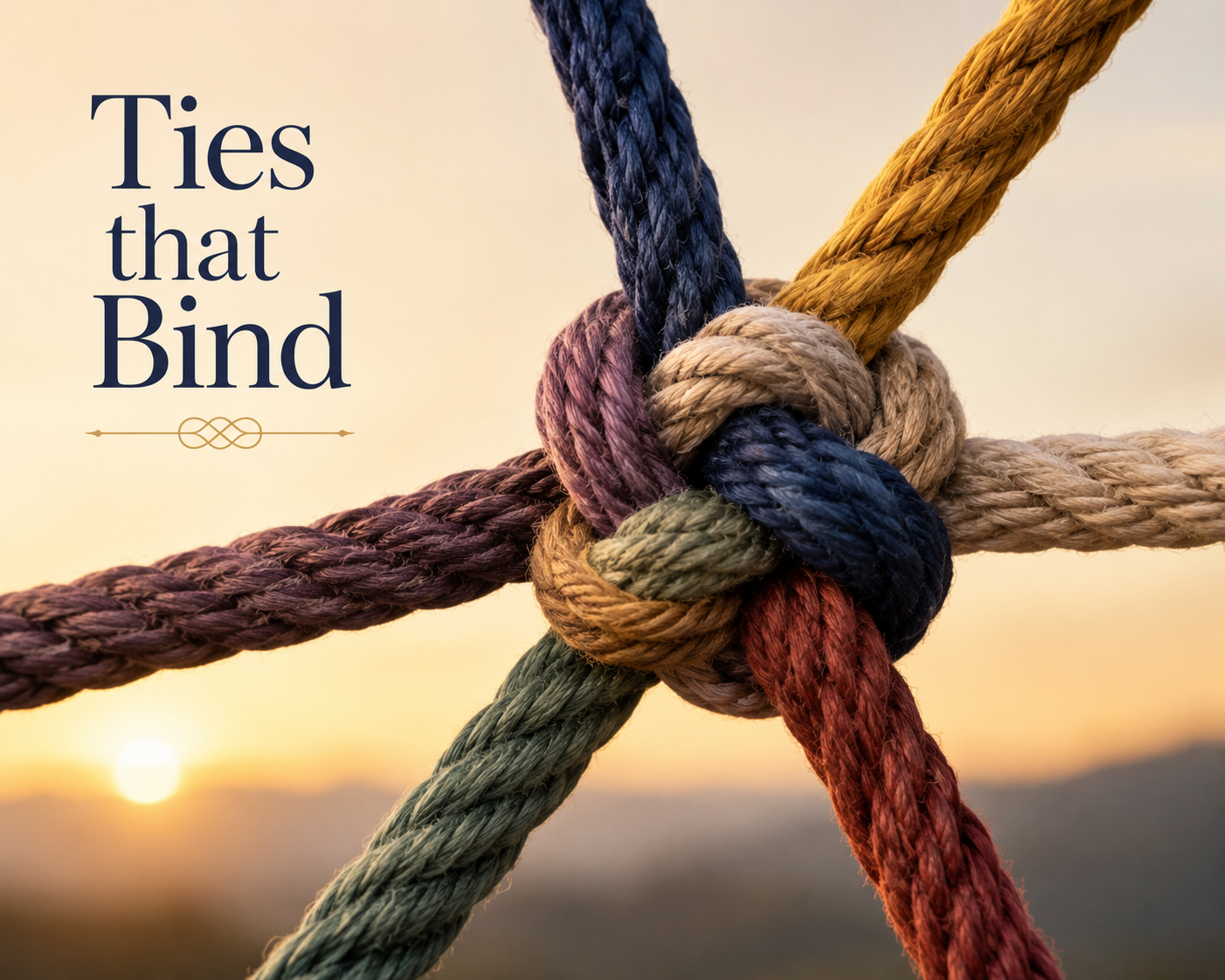
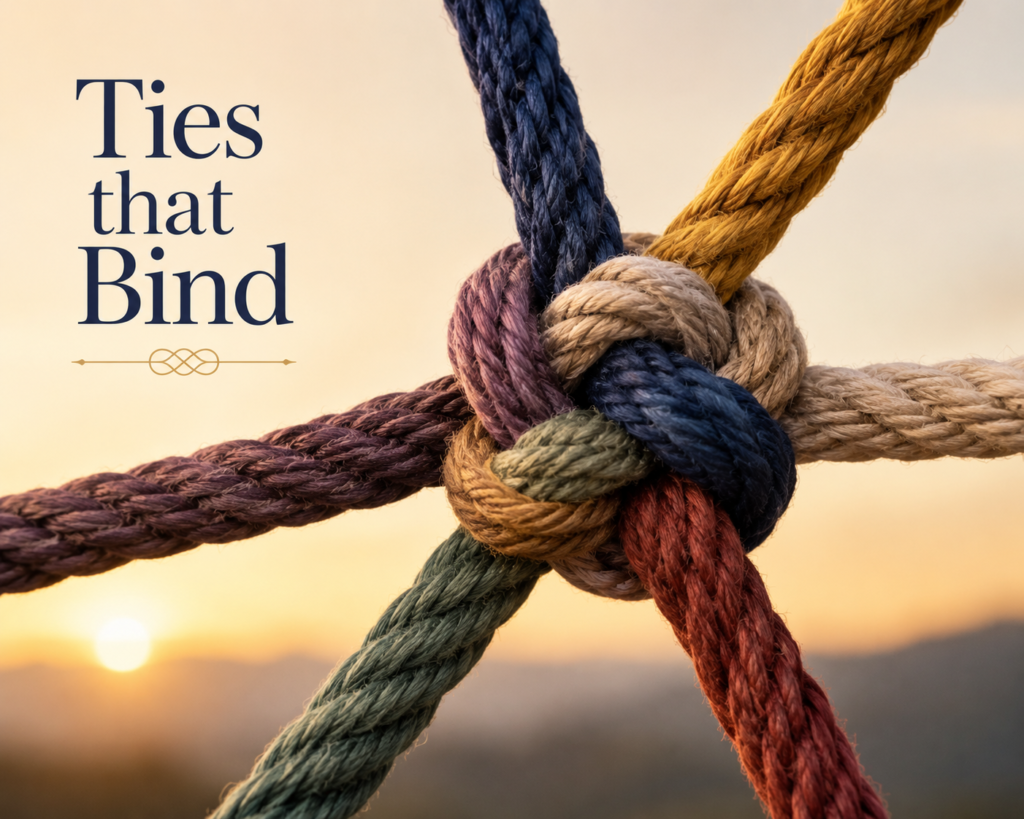
In a world increasingly shaped by speed, technology, and individual ambition, the invisible threads that connect people often go unnoticed. Yet, it is these very threads — the ties of love, friendship, family, community, and shared humanity — that hold societies together when storms arise.
The ties that bind are not chains that restrict us; they are lifelines that strengthen us. Human beings were never created to walk alone. From birth, every person depends on someone else. A mother’s embrace, a father’s guidance, the encouragement of a teacher, the loyalty of a friend, or the kindness of a stranger can become the turning point in someone’s life.
These connections form the foundation upon which courage, confidence, and hope are built.
Life itself constantly reminds us of the importance of these bonds. During moments of triumph, the people around us celebrate our victories and make success meaningful.
During moments of pain, they become our shelter. A burden shared becomes lighter; a joy shared becomes greater. Even in silence, genuine relationships offer reassurance that we are not alone in our struggles.
Communities thrive when their people remain connected. Nations progress when citizens understand that unity is stronger than division. Across cultures, tribes, religions, and backgrounds, there is a common truth: people achieve more together than apart. History has shown repeatedly that societies overcome hardship not through isolated strength, but through collective resilience.
The ties that bind are especially important in difficult times. Economic hardship, personal loss, disappointment, and uncertainty can easily make people withdraw into isolation. Yet those are the moments when human connection matters most.
A simple word of encouragement, a helping hand, or an act of compassion can restore someone’s faith in life. Sometimes, the greatest miracle is not material wealth but knowing that someone genuinely cares.
In families, these ties are nurtured through sacrifice, forgiveness, and understanding. No family is perfect, but enduring relationships are built when people choose love over pride and reconciliation over resentment. The strongest homes are not those without problems, but those where members remain committed to one another despite the challenges.
Friendship, too, remains one of life’s greatest treasures. True friends stand firm not only in moments of celebration but also during seasons of failure and weakness. In a generation where many connections are measured by social media interactions, genuine friendship still requires sincerity, loyalty, and presence.
The workplace, schools, religious institutions, and neighborhoods also depend on these unseen bonds. Cooperation, trust, and mutual respect create environments where people can grow and succeed together. A society where people care only for themselves eventually weakens, but a society built on compassion becomes stronger and more stable.
Perhaps the most powerful lesson about the ties that bind is that small acts matter. One encouraging conversation can inspire a discouraged soul. One act of forgiveness can heal years of pain. One decision to stand beside another person can change the course of a life forever. Human connection does not always require grand gestures; often, it is the ordinary acts of kindness that leave the deepest impact.
As the world continues to evolve, humanity must not lose sight of what truly sustains it. Wealth may fade, status may change, and circumstances may shift, but relationships remain among life’s greatest treasures. The ties that bind people together are the same ties that help them endure hardship, celebrate victories, and build a better future. In the end, life is not measured solely by personal achievements, but by the lives touched along the journey.
The strongest people are often those who understand the value of standing together. For when compassion replaces indifference and unity overcomes division, the ties that bind become the very force that keeps hope alive.
The writer is Associate Editor at The New Republic. He enjoys writing on compelling topics in religion and spirituality and draws inspiration from his faith and life’s experiences.