

— Court Backs Ghana 7–0”
By Gifty Boateng
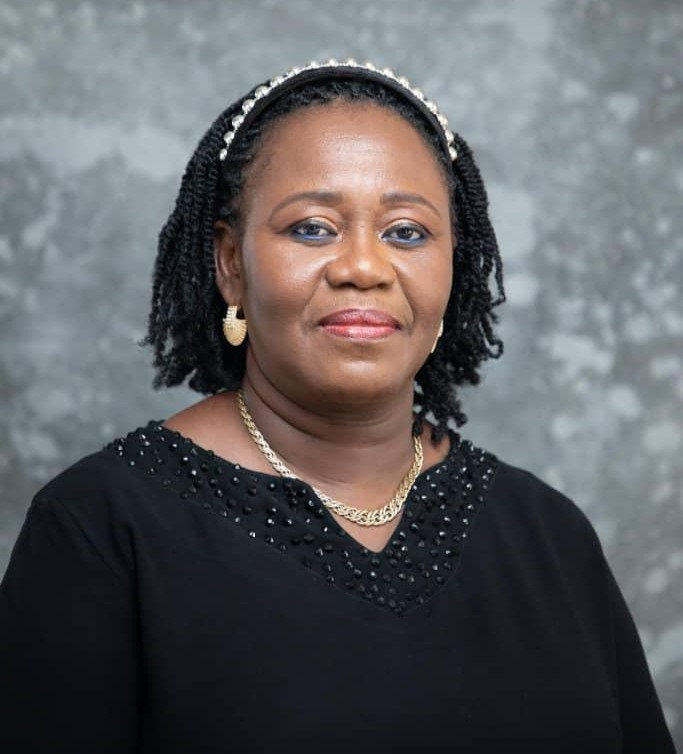
The Community Court of Justice of the Economic Community of West African States (ECOWAS) has unanimously dismissed all seven claims brought by Ghana’s former Chief Justice, Gertrude Araba Esaaba Sackey Torkornoo, challenging her removal from office.
The court further rejected her claim for US$10 million in damages against the Republic of Ghana.
The ruling, delivered on Wednesday, 24 June, represents a complete vindication of the removal process initiated under Article 146 of Ghana’s 1992 Constitution.
The court found no violations of the former Chief Justice’s rights under the African Charter on Human and Peoples’ Rights, effectively closing the international legal avenue she had pursued after her domestic challenge failed.
Deputy Attorney General and Minister for Justice, Dr Justice Srem-Sai, who led Ghana’s legal team, confirmed the outcome. The court’s decision was unanimous across all seven claims.
“The ECOWAS Community Court has, a while ago, dismissed all of the 7 claims which the former Chief Justice, Her Ladyship, Justice Gertrude Torkornoo, brought against our beloved Republic,” Dr Srem-Sai stated.
“In respect of Her Ladyship’s claim for US$ 10 million damages, the Court held that ‘in light of the Court’s conclusions that Ghana has not violated any of the Applicant’s rights under the African Charter as alleged, the Court makes no decision on reparations.'”
Dr Srem-Sai commended the state attorneys who worked on the case, noting the extensive research and preparation that contributed to the successful defence of Ghana’s position.
The court systematically addressed each of the former Chief Justice’s claims, providing detailed reasoning for their rejection:
On fair hearing: The court held that Torkornoo’s right to a fair hearing under Article 7 of the ECOWAS Charter was not violated. The five-member committee’s prima facie assessment was a filtering mechanism, not the actual hearing. Torkornoo conceded that she received the petitions and was heard in full by the committee.
On bias and composition: The court rejected claims that Justices Pwamang and Asiedu were biased due to their previous involvement in related matters. It found no evidence that the issues before the ECOWAS Court were substantially similar to those previously adjudicated. Matters of composition, competence, rules of procedure, and legal consequences of judicial oaths fall within the jurisdiction of Ghana’s courts, the ECOWAS Court determined.
On separate removal claims: The court dismissed as “absurd” Torkornoo’s argument that she should have been removed separately from the Supreme Court, Court of Appeal, and High Court. Her membership of these courts flowed from her position as Chief Justice, the court held.
On consideration of petitions: The court rejected the claim that the committee erred by confining itself to the first petition rather than all three. It found the committee acted prudently in the interest of judicial economy.
On security measures: The court found that security measures, including searches and restrictions on family attendance, were lawful and proportionate to the requirements of the proceedings. It also dismissed claims that the choice of venue was motivated by personal considerations.
On provisional measures: The court rejected the claim that the committee violated Torkornoo’s rights by continuing proceedings despite her application for provisional measures to suspend them.
On access to information: The court held that Ghana did not violate Torkornoo’s right to receive information. Crucially, Torkornoo failed to demonstrate that she had first requested the full report before resorting to litigation.
The proceedings were marked by a notable incident involving Torkornoo’s counsel, Nigerian Senior Advocate Femi Falana. According to sources, Falana lost his composure after the judgment was delivered, remarking that the judgment should be made available “so all judges in the sub-region would know that they can’t rule against their Governments.”
The court found Falana’s conduct and comments “unacceptable” and indicated it “did not expect that from him.”
Thaddaeus Sory, the legal luminary, offered a succinct observation on the ruling, echoing Torkornoo’s own words from her time in office:
“The law is the law. It is still the law. And this is the law.”
President John Dramani Mahama removed Torkornoo from office following the receipt of a report from a committee constituted under Article 146(6) of the 1992 Constitution. The committee, chaired by Justice Gabriel Pwamang, was established to inquire into a petition submitted by citizen Danie Ofori.
After considering the petition and evidence, the committee found grounds of stated misbehaviour under Article 146(1) had been established and recommended her removal. Under Article 146(9), the President is required to act in accordance with the committee’s recommendation.
Torkornoo subsequently turned to the ECOWAS Court, arguing violations of her rights under the African Charter. That challenge has now been definitively rejected.