By Lawrence Odoom
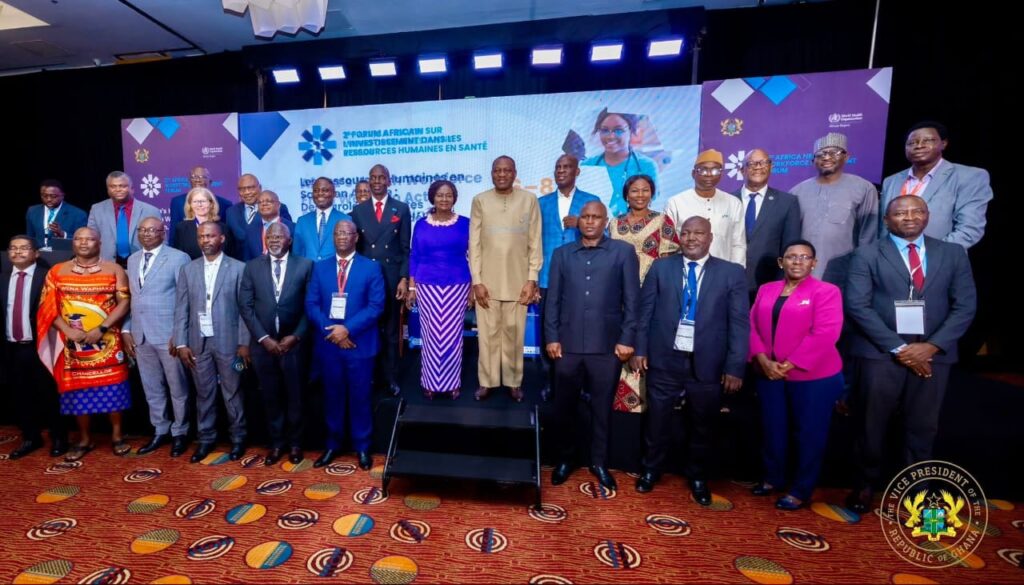
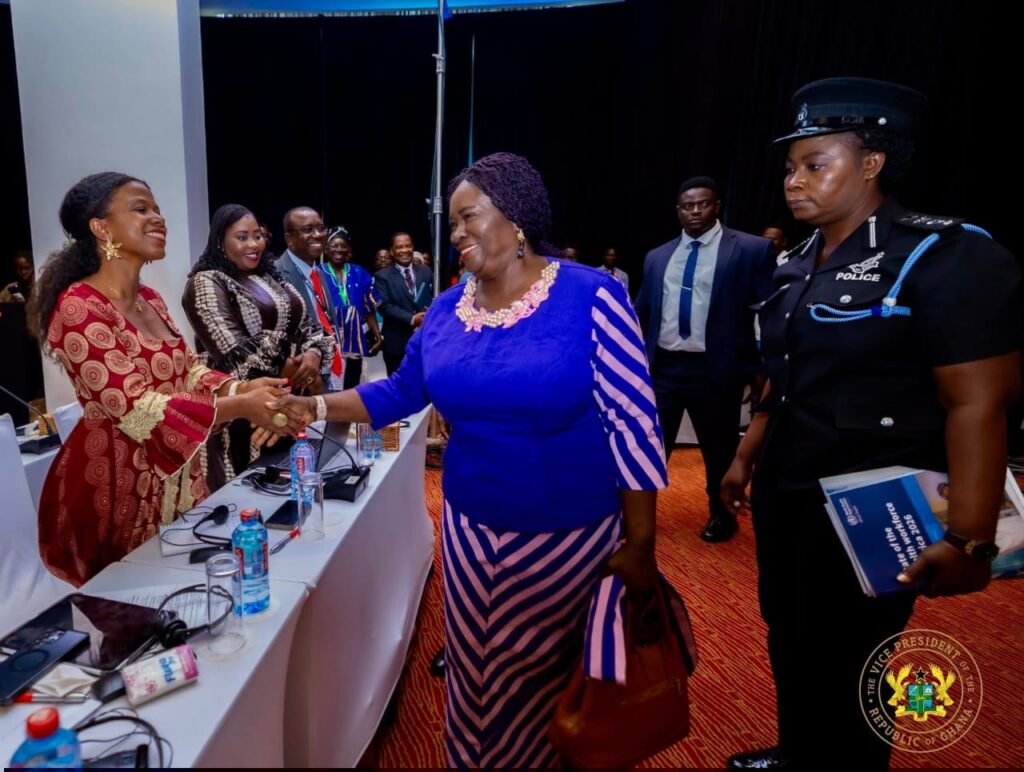
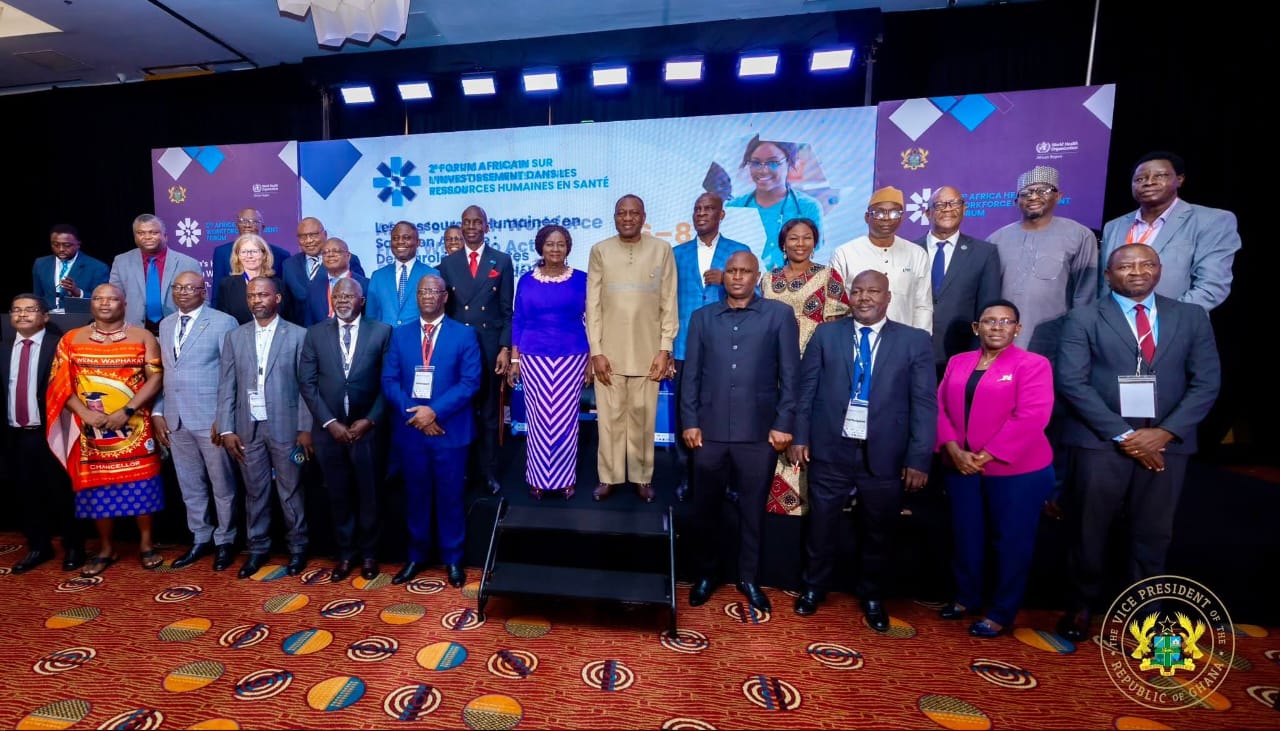
Vice President Prof. Jane Nana Opoku-Agyemang has officially inaugurated the 2nd Africa Health Workforce Investment Forum in Accra, convened under the compelling theme “Africa’s Health Workforce: From Words to Action. Plan, Train, Retain.”
The high-level Forum assembled heads of state, policymakers, development partners, and key stakeholders in a unified call to fortify Africa’s health systems through deliberate, sustained investment in human capital. The gathering served as a resounding affirmation that “Africa’s health systems cannot be strengthened without deliberate investment in human capital.”
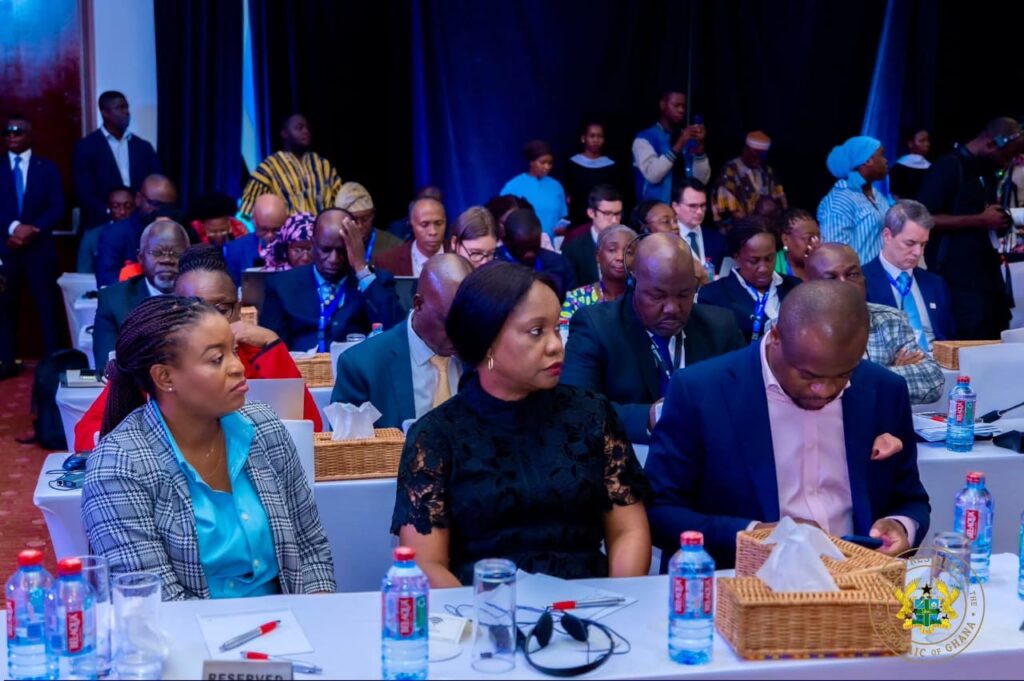
While the continent has recorded notable strides in extending life expectancy, expanding immunization coverage, advancing maternal healthcare, and curbing infectious diseases, millions remain ensnared by persistent barriers of access, affordability, and quality. This stark reality, the Vice President stressed, “underscores the importance of moving beyond policy declarations to decisive implementation.”
Addressing delegates, Opoku-Agyemang underscored the transformative potential of the Accra Reset Agenda, which seeks to reposition citizens at the heart of governance through “resilient, equitable, and accountable systems.” Within the health sector, she argued, this translates into advancing genuine health sovereignty by cultivating the capacity to “define our health priorities, mobilize sustainable financing, train and retain health professionals, and strengthen institutions.”
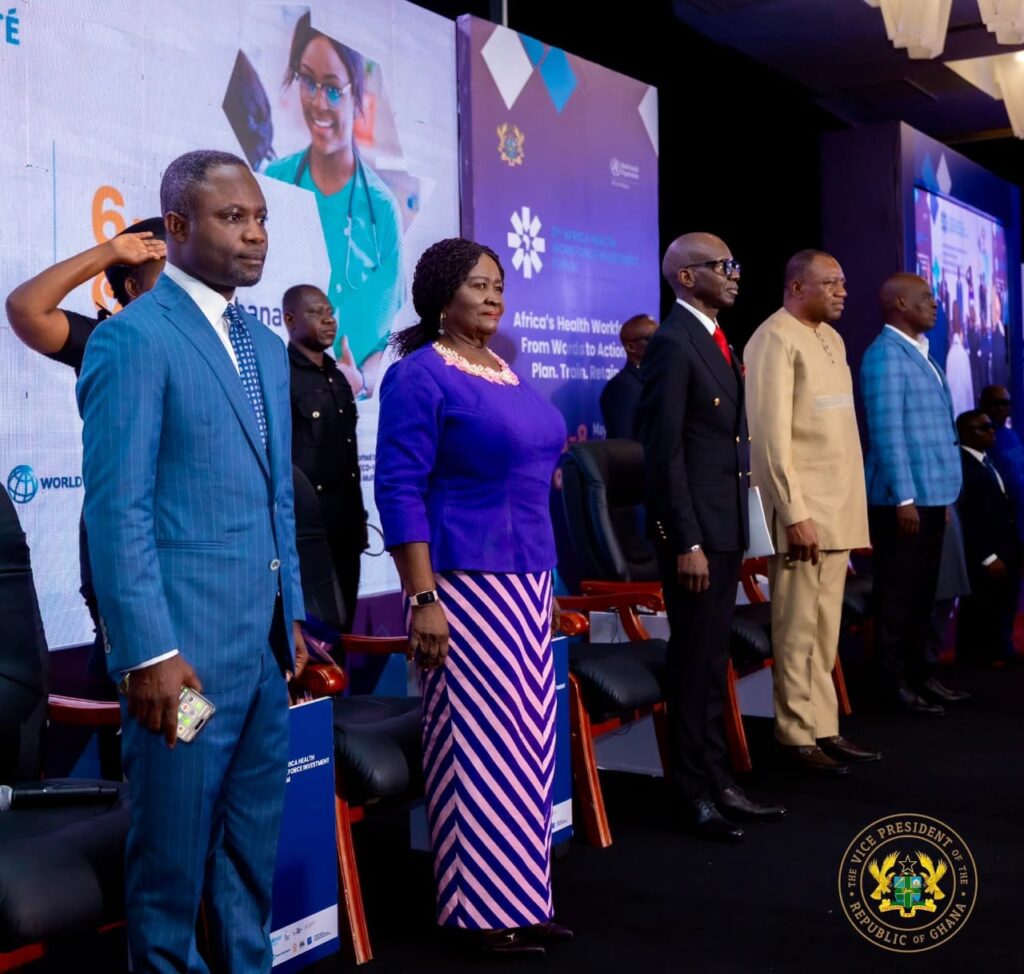
The Vice President outlined a series of flagship interventions spearheaded by Government to expand access and alleviate financial strain. These include the recent launch of Free Primary Healthcare, designed to “improve access to essential services and reduce financial barriers to care,” alongside the Ghana Medical Trust Fund, popularly known as MahamaCares, established to “support citizens living with chronic and high-cost illnesses.” These programs, she noted, are being reinforced by targeted investments in specialist care, cutting-edge medical equipment, and comprehensive workforce development.
Reiterating that “the strength of every health system depends on its workforce,” Opoku-Agyemang affirmed Government’s unwavering commitment to the training, recruitment, and equitable distribution of health professionals. She highlighted the authorization to recruit “approximately 16,000 health workers this year,” a measure she described as a testament to the conviction that “investing in health workers ultimately benefits national productivity, economic resilience, and human development.”
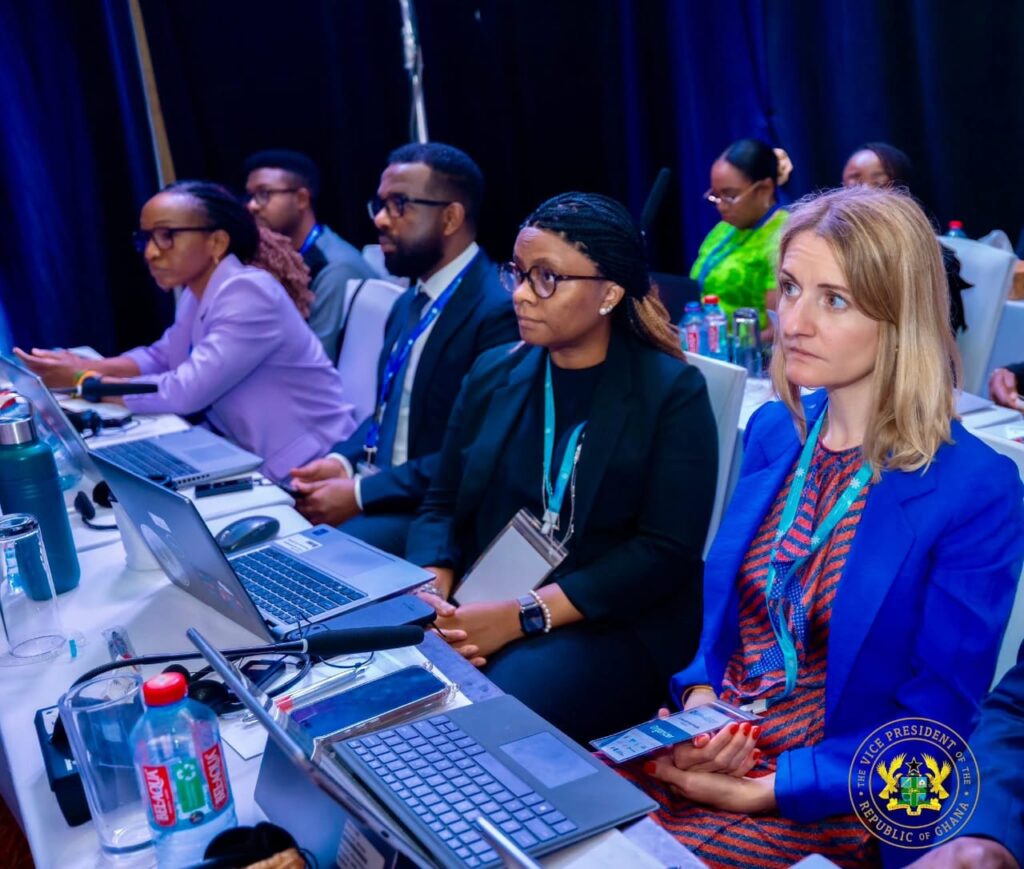
Concluding her address, the Vice President urged the Forum to sustain its momentum in fostering collaboration, innovation, and pragmatic reform. She expressed confidence that the deliberations in Accra would yield “stronger planning, purposeful training, sustainable employment, and dignified retention of Africa’s health workforce.”