

By Leo Nelson
The Ministry of Fisheries and Aquaculture Development (MoFAD), in collaboration with the Fisheries Commission, has announced the implementation of the 2026 closed fishing season as part of efforts to restore declining fish stocks and ensure sustainable marine resource management.
The directive, backed by Section 47 of the Fisheries and Aquaculture Act, 2025 (Act 1146), is grounded in scientific recommendations and aligned with global best practices aimed at rebuilding Ghana’s marine fisheries.Ghana Investment Report
According to the schedule, industrial trawlers will observe a two-month closure from July 1 to August 31, 2026, while semi-industrial vessels will be required to halt fishing activities for one month, from July 1 to July 31, 2026.
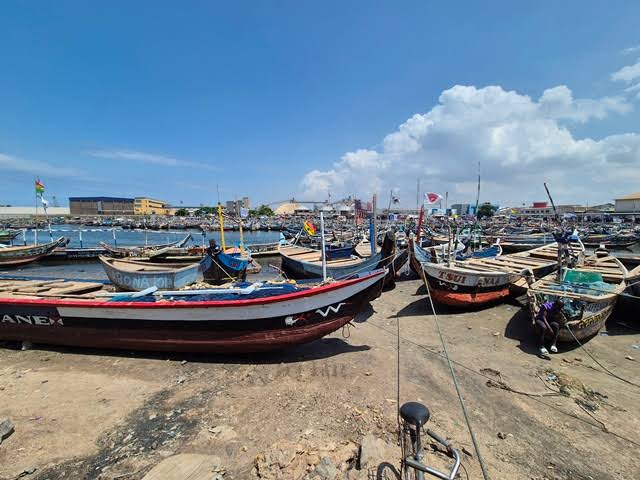
Addressing the press on Tuesday, April 28, the Ministry clarified that artisanal canoe fishers are exempt from the closure in order to protect livelihoods within coastal communities. However, it stressed that the exemption does not absolve them from complying with existing fisheries regulations, including the observance of designated fishing holidays.
MoFAD further warned against illegal, unreported and unregulated (IUU) fishing practices, including light fishing and the use of harmful chemicals and explosives, describing such activities as a major threat to fish stock recovery and the long-term viability of the sector.
To ensure compliance, the Ministry indicated that enforcement measures will be significantly intensified this year, with the Fisheries Enforcement Unit, in collaboration with other state agencies, expected to carry out nationwide monitoring and surveillance operations.
It added that strict sanctions will be imposed on individuals and vessels that violate the directive, in accordance with provisions under the Fisheries and Aquaculture Act.
The Ministry also noted that it will continue to work closely with Metropolitan, Municipal and District Assemblies, traditional authorities, and fisher associations to promote awareness and encourage voluntary compliance.
Meanwhile, government says it will sustain collaboration with the scientific community to assess the biological and economic impact of the closed season and refine fisheries policies accordingly.
As part of broader conservation efforts, MoFA disclosed plans to implement additional measures, including the establishment of Marine Protected Areas, with Ghana’s first such area at the Greater Cape Three Points scheduled for official declaration.
The Ministry has therefore called on stakeholders within the fisheries sector, particularly association leaders and chief fishermen, to support the implementation of the directive to ensure the sustainability of Ghana’s marine resources.
A closed fishing season is a temporary ban on fishing activity in specific areas during fish breeding periods, designed to reduce pressure on marine resources, allow stocks to recover, and ensure long-term sustainability. It is a critical fisheries management tool, often lasting one to two months depending on the vessel type and fishing regulations.