

as inherited debts trigger contractor walkout
By Phillip Antoh
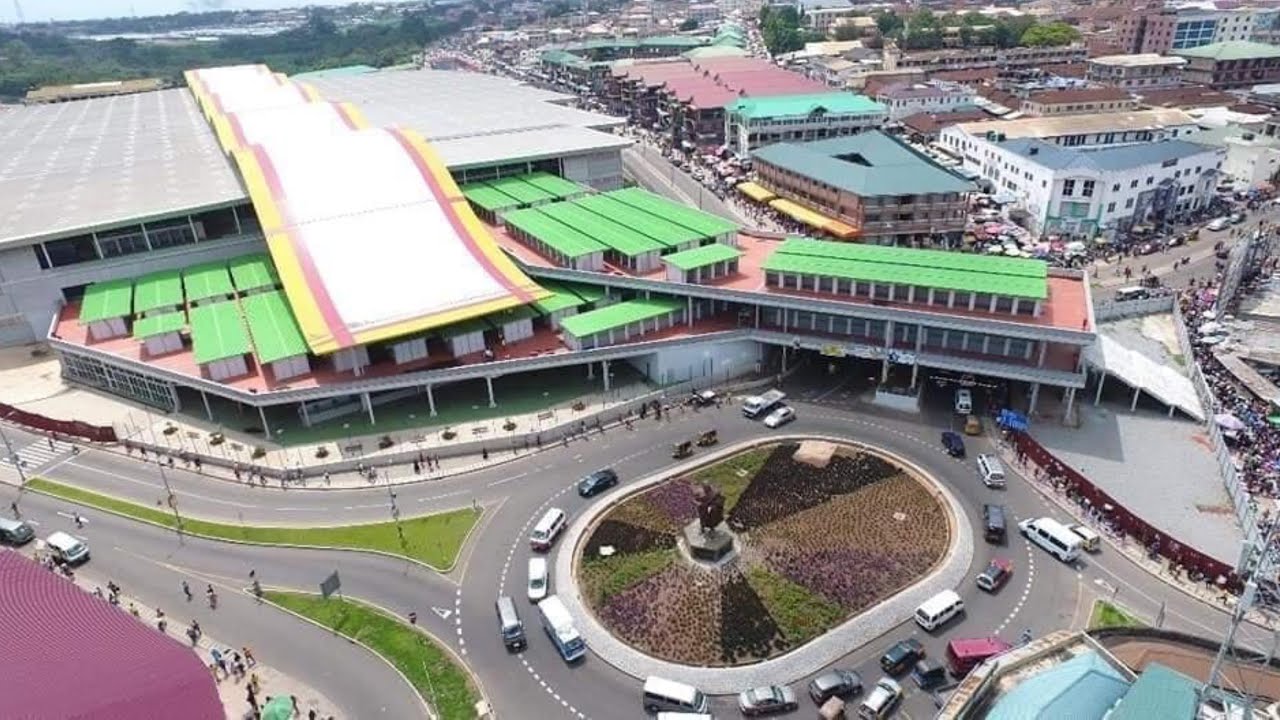
Local Government Minister Ahmed Ibrahim has confirmed that Ghana’s two flagship urban market projects Kumasi Kejetia Phase II and Takoradi Central Market – are facing a severe financial drought.
Speaking in Accra on 6 May, he blamed the previous administration for unpaid contractor certificates and debt restructuring that forced contractors off site in 2024. Traders have grown restive, but the government insists completion is ‘essential, not optional’.
The minister’s intervention was prompted by public protests over the extended delays. He sought to ‘set the record straight’, arguing that the problems were inherited, not created by President John Dramani Mahama’s administration.
Kejetia Phase II: from €248 million to €305 million. The numbers tell a grim story. Awarded in 2018 at €248 million, the project had reached just 58.22% overall completion with actual construction at only 35.5% when contractors downed tools in 2024. The trigger: non-payment of Interim Payment Certificates (IPCs) and the impact of the previous government’s debt restructuring programme.
Contractors initially demanded over €101 million in suspension claims for delays and demobilisation. Negotiations under the previous administration reportedly lowered this to about €57 million. Even so, the contract sum has now ballooned to nearly €305 million.
By contrast, Ahmed Ibrahim noted that Kejetia Phase I started under Mahama – was completed on time and within its €197 million budget. ‘Why would the visionary himself delay the project?’ he asked.
Takoradi Central Market: 81.62% and frozen. The €48 million Takoradi contract, signed in 2020, had reached 81.62% completion before work halted. Contractors have received negotiated suspension claims totalling €13 million. The minister gave no timeline for restart.
Political calculus. Mahama’s government is caught between campaign promises and fiscal reality. The markets are strategic: they support thousands of traders, transport operators and small businesses, and align with the administration’s 24-hour economy policy. But securing additional funding to close the financing gaps will test the Ministry of Finance’s appetite for more contingent liabilities.
Ahmed Ibrahim insisted the government is working with contractors, consultants and financial stakeholders on payment plans. He also promised better project monitoring to ensure value for money.
The bottom line. The delays are not denial the minister has publicly owned the problem. But blaming the previous administration will not unlock €57 million in suspension claims or plug a €57 million cost overrun.
For traders in Kumasi and Takoradi, the difference between Mahama’s first-term efficiency and his second-term inheritance is measured in years of lost income. Whether the government can restart both projects before political patience runs out remains an open question.