

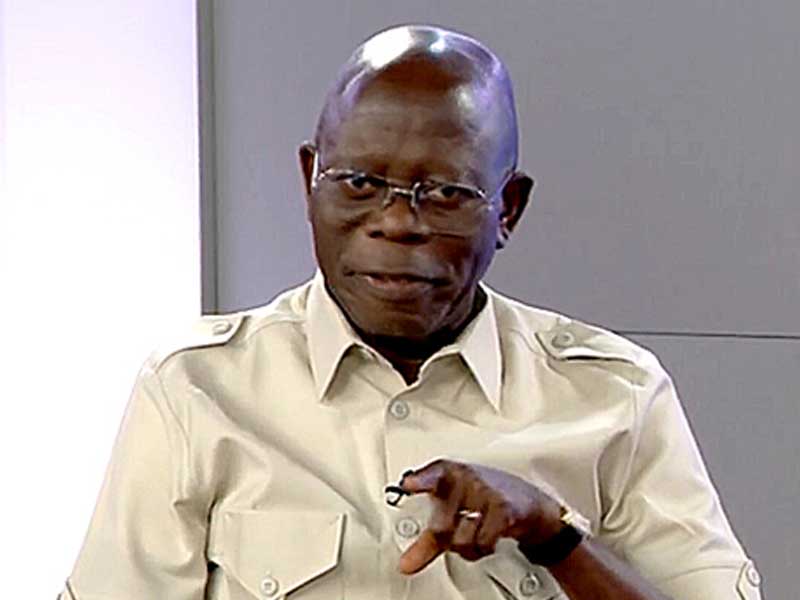
-Nigeria Senator Threatens Mtn, Dstv Over Xenophobic Attacks
By Gifty Boateng
As xenophobic violence flares again in South Africa, a Nigerian senator has called for the ultimate economic weapon: revoking the operating licences of MTN and MultiChoice (DSTV) two of South Africa’s most profitable corporate flagships on the continent.
Adams Oshiomhole (Edo North) argues that ‘if you hit me, I’ll hit you’ is appropriate diplomacy. Meanwhile, Botswana has already drawn blood, cutting power exports and closing its borders.
Oshiomhole’s 6 May Senate floor speech was characteristically blunt. He wants Nigeria to nationalise MTN and withdraw DSTV’s licence, alleging both companies ‘cut away millions of dollars’ from Nigeria daily while South Africans attack Nigerian nationals. ‘When we hit back, the president of South Africa will go on his knees,’ he declared.
The senator’s logic rests on reciprocity: if South Africans can kill Nigerians with impunity, Nigeria should strike where it hurts shareholder value and monthly recurring revenue. MTN Nigeria alone contributed over 30% of the group’s service revenue in 2025. Losing that licence would be a body blow to Johannesburg’s most pan-African success story.
Ramaphosa’s bind. Oshiomhole claimed President Cyril Ramaphosa is ‘complicit’ because he campaigned on a xenophobic platform ‘foreigners were taking the jobs that South African people could do’.
Whether fair or not, the allegation underscores a painful truth: Ramaphosa has struggled to contain anti-foreigner sentiment, particularly in townships, where competition for low-skilled work is fierce. His government’s responses have been reactive, rarely preventive.
Botswana shows the way. While Nigeria debates, Botswana has already acted. In an extraordinary break from post-apartheid regional solidarity, Gaborone cut electricity exports to parts of South Africa and closed its borders.
The move was a direct response to attacks on Batswana citizens. It is a sharp reminder that South Africa is not an island and that its neighbours have leverage.
Ghana demurs, repatriates citizen. Accra has taken a more measured approach. After the harassment and beating of Ghanaian resident Emmanuel Asamoah, the government facilitated his repatriation on 5 May, accompanied by High Commissioner Benjamin Quarshie.
Officials have called in the South African ambassador for briefings but have resisted Oshiomhole-style retaliation, preferring diplomatic channels.
The bottom line. Oshiomhole’s threats may play well in the Senate chamber, but actual licence revocation would trigger years of costly litigation, investor panic and retaliation against Nigerian assets in South Africa. Botswana’s power cut is surgical; Nigeria’s proposed move is a sledgehammer.
Yet the very fact that such proposals are now mainstream and that Botswana has broken ranks signals a dangerous new phase in intra-African relations. Ramaphosa’s government can no longer assume that anti-xenophobic rhetoric will suffice. Its neighbours are beginning to act.