

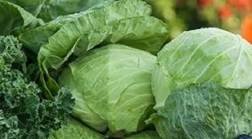
Pesticide Levels Exceed Safety Limits
By Philip Antoh
A study conducted in June by the Ghana Standards Authority (GSA) and the Centre for Indigenous Knowledge and Organisational Development (CIKOD) has confirmed that cabbages sold at Accra’s Agbogbloshie and Madina markets are contaminated with pesticide residues above statutory limits.
Every cabbage sample tested failed the safety standards for eight different chemical compounds.
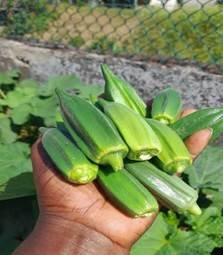
Okra performed marginally better: 67% of samples met the Maximum Residue Levels (MRLs). However, okra sourced directly from Agbogbloshie showed high concentrations of hazardous substances, indicating a market-specific contamination risk.
The contaminated cabbages were traced to major farming supply hubs in Kumasi, Tepa, and Adetor, pointing to a systemic failure in pre-harvest chemical management rather than a localised aberration.
The study highlighted improper mixing, over-application, and non-compliance with mandatory pre-harvest waiting periods.
The chemicals detected in the failed Agbogbloshie okra samples included Dimethoate and Triticonazole. Dimethoate is associated with respiratory distress, blurred vision, and convulsions; Triticonazole is linked to liver damage and skin irritation. Other toxins Acetamiprid, Emamectin, and Mevinphos were also found.
These compounds target the central nervous system; Mevinphos, in particular, has been connected to rapid muscle twitching and respiratory paralysis.
GSA experts warn that chronic dietary exposure elevates the risk of miscarriages, low birth weights, and congenital defects. The findings have reignited debate over the dominance of synthetic agrochemicals in Ghana’s vegetable supply chain.
CIKOD and the Peasant Farmers Association of Ghana are urging a swift transition to agroecological farming. In the interim, consumers are advised to wash vegetables under running water, soak them in salt or vinegar solutions, and discard the outermost leaves of cabbages, which carry the highest surface residues.