

By Leo Nelson
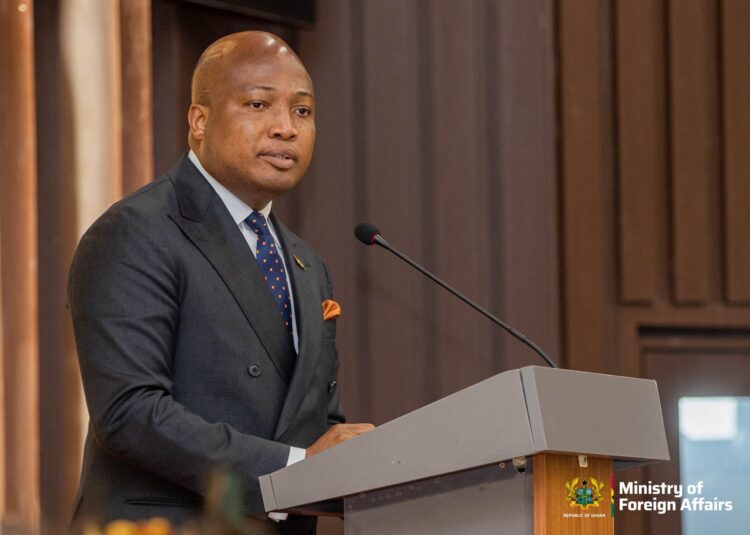
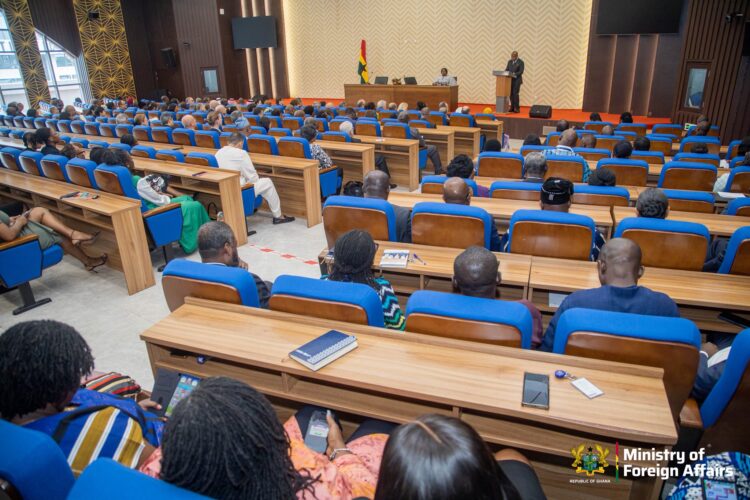
Minister for Foreign Affairs, Samuel Okudzeto Ablakwa, has reaffirmed Ghana’s commitment to strengthening international cooperation on reparative justice following a high-level briefing with members of the diplomatic corps in Accra.
The engagement, he explained, was aimed at consolidating support after the United Nations adopted a landmark resolution declaring transatlantic enslavement as the gravest crime against humanity.
According to the Minister, the meeting provided an opportunity to formally convey the appreciation of John Dramani Mahama and the people of Ghana to countries that supported the resolution. He described the development as historic, noting that it reflects growing global recognition of the lasting impact of enslavement on affected communities.
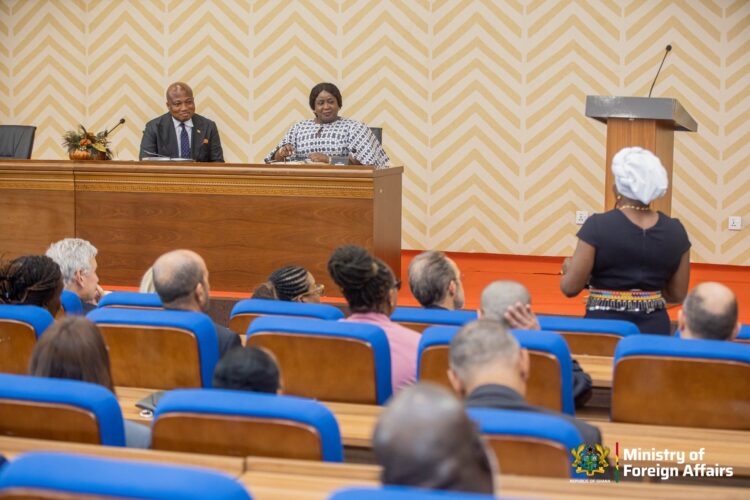
The briefing also served as a platform to reaffirm Ghana’s diplomatic posture, which he said is anchored in respect, cooperation, and shared responsibility among nations.
Building a Broad Global Coalition
During the engagement, the Foreign Affairs Minister extended an invitation to all countries to join what he described as an expanding global coalition for reparatory justice. He noted that more than 123 countries are already part of this effort, which seeks to address the enduring consequences of transatlantic enslavement.
He explained that Ghana is committed to working with international partners to advance this agenda through dialogue, policy initiatives, and coordinated action. According to him, the next phase of the initiative will involve concrete steps aimed at promoting justice and reconciliation.
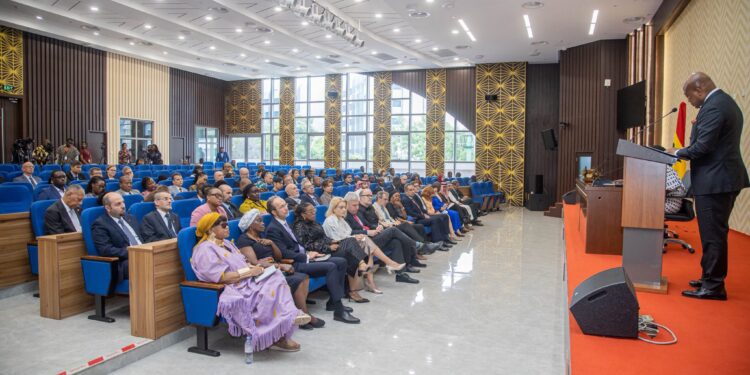
The Minister emphasised that the coalition is not intended to create divisions but rather to foster unity around a shared goal. He noted that the pursuit of reparatory justice is rooted in the need to acknowledge historical injustices and work collectively toward addressing their long term effects.
Maintaining Cordial Diplomatic Relations
Addressing concerns about differing positions during the United Nations vote, the Minister clarified that Ghana holds no resentment toward countries that either abstained or voted against the resolution. He assured members of the diplomatic community that these decisions would not affect Ghana’s bilateral relations.
He stated that the government remains committed to maintaining strong and respectful ties with all nations, regardless of their stance on the resolution. This approach, he said, reflects Ghana’s broader foreign policy objective of promoting dialogue and mutual understanding.
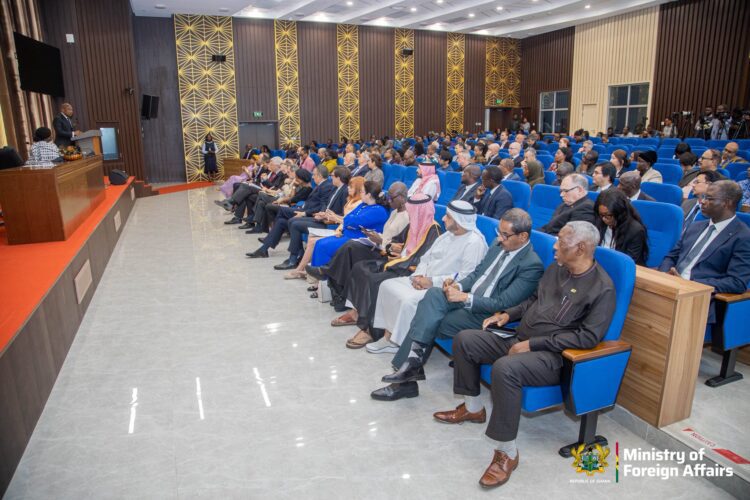
The Minister reiterated that diplomacy requires engagement even in the face of disagreement. By maintaining open channels of communication, he noted, countries can continue to collaborate on areas of common interest while addressing differences constructively.
Advancing Reparatory Justice Efforts
The Minister indicated that Ghana is preparing to roll out the next steps in its reparatory justice campaign. These efforts will focus on mobilising international support and implementing measures that contribute to addressing the legacy of enslavement.
He noted that reparatory justice goes beyond financial compensation, encompassing initiatives that promote social, cultural, and economic restoration. According to him, Ghana’s approach is guided by the need to ensure that affected communities benefit from meaningful and sustainable interventions.
The Minister added that collaboration with international partners will be essential in achieving these objectives. By working together, he said, countries can develop strategies that reflect shared values and promote global equity.
Return of Cultural Artefacts
As part of ongoing diplomatic engagement, the Minister commended recent commitments by Netherlands and Germany to return artefacts currently in their possession. He described these developments as important steps toward restoring cultural heritage and addressing historical imbalances.
He noted that the return of artefacts is a key component of the broader reparatory justice agenda. By repatriating cultural items, countries can contribute to preserving identity and strengthening historical connections for affected communities.
The Minister expressed optimism that other nations would follow this example, further advancing efforts to promote cultural restitution and historical accountability.
Strengthening Ghana’s Foreign Policy Direction
The diplomatic briefing highlighted Ghana’s intention to play a leading role in global discussions on reparatory justice. The Minister emphasised that the country’s foreign policy is guided by principles of fairness, inclusivity, and respect for historical truth.
He noted that Ghana will continue to engage with international partners to build consensus and drive progress on key issues. This includes fostering partnerships that support development, cultural exchange, and shared prosperity.
The Minister also underscored the importance of maintaining a balanced approach to diplomacy, one that accommodates diverse perspectives while promoting common goals.
Through sustained engagement, Ghana aims to contribute to a more equitable global system. Ghana’s engagement with the diplomatic corps marks a significant step in advancing its reparatory justice agenda on the international stage.
By expressing appreciation for support, maintaining strong diplomatic ties, and inviting broader participation in the global coalition, the government is positioning itself as a key advocate for addressing historical injustices.
As efforts continue, the focus remains on building partnerships that promote reconciliation, cultural restoration, and long term global cooperation.