

By Stanley Asor
One week after an international coalition of human rights lawyers filed suit against Ghana at the ECOWAS Court of Justice over the alleged deportation of US-transferred migrants to their countries of origin, the Attorney General’s Office has yet to indicate whether it intends to contest the case a silence that some observers describe as reckless and which could expose the state to significant judgment debt.
The lawsuit, filed on 29 June 2026, seeks US$100,000 in compensation for each of the 27 migrants represented part of a larger group of more than 60 individuals whom the United States has deported to Ghana as a temporary holding location under third-country arrangements with the Trump administration.
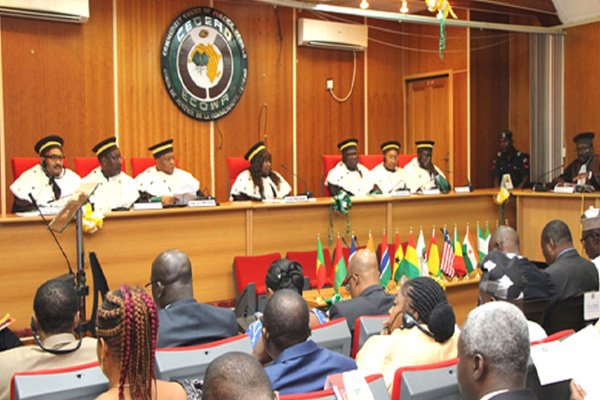
The case, the first ever brought under the 1979 ECOWAS treaty guaranteeing free movement across West Africa, alleges that Ghana subsequently deported these individuals to countries where they face severe persecution in violation of the principle of non-refoulement, a cornerstone of international refugee law.
The Attorney General’s apparent lack of urgency has drawn criticism from legal observers, who worry that Ghana could face a precedent-setting ruling that would make it difficult for the country to participate in similar third-country deportation arrangements in future.
However, a source at the Ministry of Justice insisted that Ghana’s silence should not be interpreted as negligence.
“The case is currently pending at the ECOWAS Court, we must hear from them first before we can respond,” the source said, adding that the office is awaiting the court’s initial procedural steps.
The coalition, which includes the Global Strategic Litigation Council – an international network of lawyers and advocates accuses Ghana of violating the principle of non-refoulement. According to their statement, most of the 27 migrants were flown from Ghana to their home countries within hours or days of arrival, despite informing Ghanaian authorities of protection orders issued by US courts that barred their deportation.
Many of the migrants had previously obtained protection orders from US judges preventing their return to their countries of origin. Some reported being shackled during their flights from the United States. Upon arrival in Ghana, they said they were held under armed guard in military camps, hotels, and airport holding cells, often under poor conditions.
Medical evaluations cited in the lawsuit reportedly found evidence of post-traumatic stress disorder and severe depression among several of the 27 migrants.
Ghana is one of at least nine African countries that have entered into third-country deportation arrangements with the United States.
Under these often-confidential agreements, the Trump administration has deported thousands of people to nearly two dozen countries other than their own as part of its immigration enforcement campaign, according to the advocates.
Immigration lawyers argue that the administration has used third-country deportations as a legal loophole to indirectly return asylum seekers to the countries they originally fled.
The applicants are asking the ECOWAS Court to:
· Halt further transfers
· Compel Ghana to disclose the terms of its agreement with the United States
· Award damages to the affected migrants
· Prohibit Ghana from entering into similar agreements in the future
Separate legal proceedings concerning the detention of some of the migrants continue before Ghana’s High Court, adding another layer of legal exposure for the state.
The case has broader implications for regional migration policy. As the first legal challenge to third-country deportation arrangements under the ECOWAS treaty, its outcome could affect how West African states engage with external powers on migration matters.