

By Leo Nelson
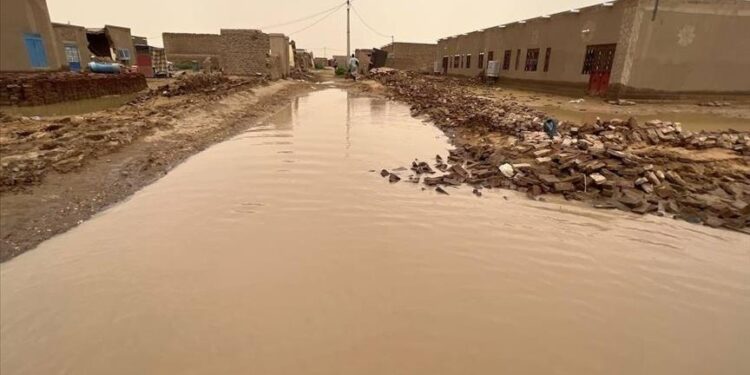
Torrential rains and severe flooding that hit Malawi between 15th and 18th March 2026 have claimed 13 lives and affected over 9,598 households.
In a statement, the Department of Disaster Management Affairs (DoDMA) indicated that preliminary data collected from 16 council points indicate extensive damage across multiple regions. In addition to the fatalities, 128 families have been displaced, while 35 individuals sustained injuries as floodwaters swept through communities and destroyed property.
The floods have impacted a wide range of areas, including Blantyre District, Chikwawa, Chiradzulu, Dedza, Karonga, Lilongwe District, Machinga, Mangochi, Mchinji, Mulanje, Mwanza, Neno, Phalombe, Zomba City, and Zomba District.
In Chikwawa, three people died and two were injured. Machinga reported two deaths and 18 injuries. Blantyre City recorded two fatalities due to collapsing structures. In Mangochi, two children died while attempting to cross a swollen river.
To support those forced from their homes, authorities have established 12 evacuation centres across six councils, offering temporary shelter and basic assistance to displaced residents.
DoDMA Commissioner Wilson Moleni confirmed that relief operations are already in progress, with aid being distributed to affected communities.
“DoDMA has begun distributing relief assistance to affected households. Councils are continuing detailed assessments to determine the full extent of damage and will submit comprehensive reports in due course.”
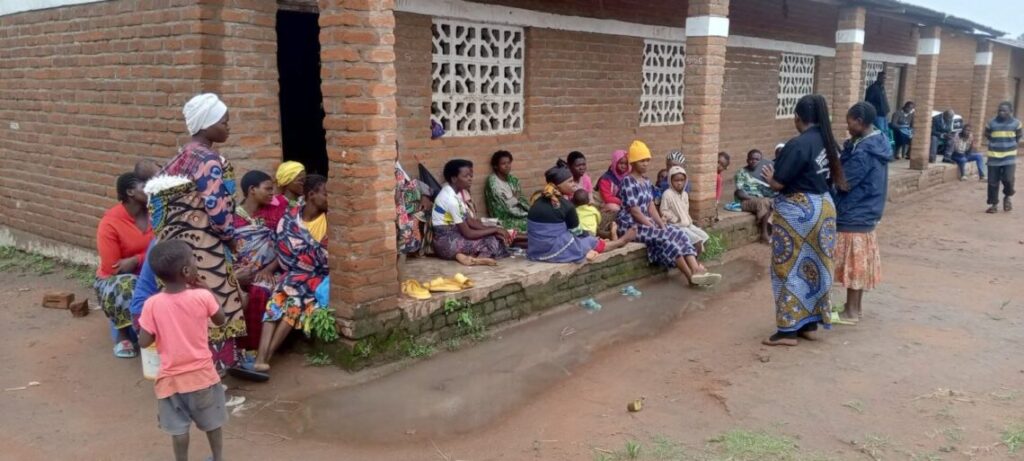
Prior to the latest floods, the government of Malawi issued an urgent appeal for international assistance to help ease the growing humanitarian burden caused by persistent torrential rains and widespread flooding.
DoDMA reported the death toll had climbed to at least 40 nationwide, with thousands displaced and extensive infrastructure damage, particularly to roads, hindering relief operations.
DoDMA Commissioner Wilson Moleni described the unfolding situation as a national emergency, highlighting the strain on the country’s already fragile systems. “The nation is heavily bleeding following this calamity that has befallen us,” he said.
He further emphasized that the scale of the disaster had exceeded the government’s capacity to respond effectively.
“As a country, we are overwhelmed by the growing daily demands of those affected. Our economy is already under considerable pressure, and we cannot manage this situation on our own. We are therefore appealing to our development partners to come to our aid and complement our response efforts.”
Moleni cautioned that the crisis was intensifying as persistent rainfall continued to increase the number of affected households and the level of humanitarian need.
In October 2025, Malawi’s President, Arthur Peter Mutharika, declared a nationwide state of disaster across all 28 districts in response to severe food insecurity driven by prolonged drought and extended dry spells. The declaration highlighted the worsening humanitarian situation, with millions of people facing acute hunger and urgent assistance needs.
A few months on, Malawi faces a worsening humanitarian emergency, as the latest torrential rains have compounded earlier disasters, displacing more families, destroying more homes, and further stretching already limited response capacity.
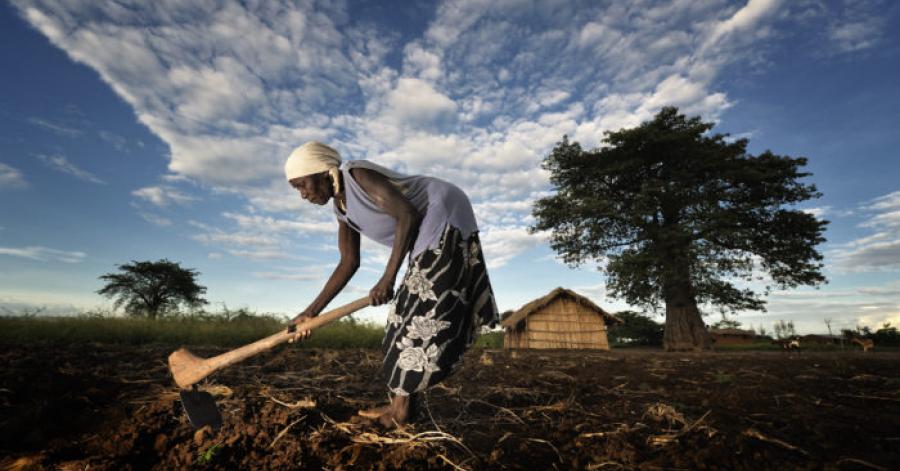
The back-to-back disasters have also deepened food insecurity. Farmlands that had shown signs of recovery have been washed away again, while livestock losses continue to mount.
Coming on the heels of an El Niño-induced drought, the repeated flooding has disrupted agricultural cycles even further, leaving many households without reliable sources of food or income.
Beyond the immediate humanitarian toll, Malawi’s flooding crisis is poised to trigger far-reaching economic consequences, with the agricultural sector bearing the brunt. As a backbone of the economy, providing a large share of employment and export earnings, agriculture’s disruption elevates the disaster from a localized shock to a broader national concern.
Tobacco, particularly burley tobacco, remains Malawi’s primary export and a vital source of foreign exchange. Flood-related crop losses are therefore likely to disrupt supply chains, diminish export revenues, and intensify existing economic pressures. The impact is especially acute for smallholder farmers, who dominate the sector. For many, entire harvests have been wiped out, erasing income streams and deepening vulnerability to poverty.
The loss of livestock adds another layer of strain. For rural households, animals are not only a source of nutrition but also a form of financial security. Their depletion weakens household resilience and significantly hampers recovery prospects. Restoring these assets will require time and deliberate intervention, including improved access to credit facilities and essential agricultural inputs.
This development places an additional burden on households already grappling with rising living costs and constrained incomes, further amplifying the broader economic fallout in Malawi.