

Chronic diseases kill 43% of Ghanaians as new fund confronts severe infrastructure gaps and GH¢4.8m pilot
By Philip Antoh
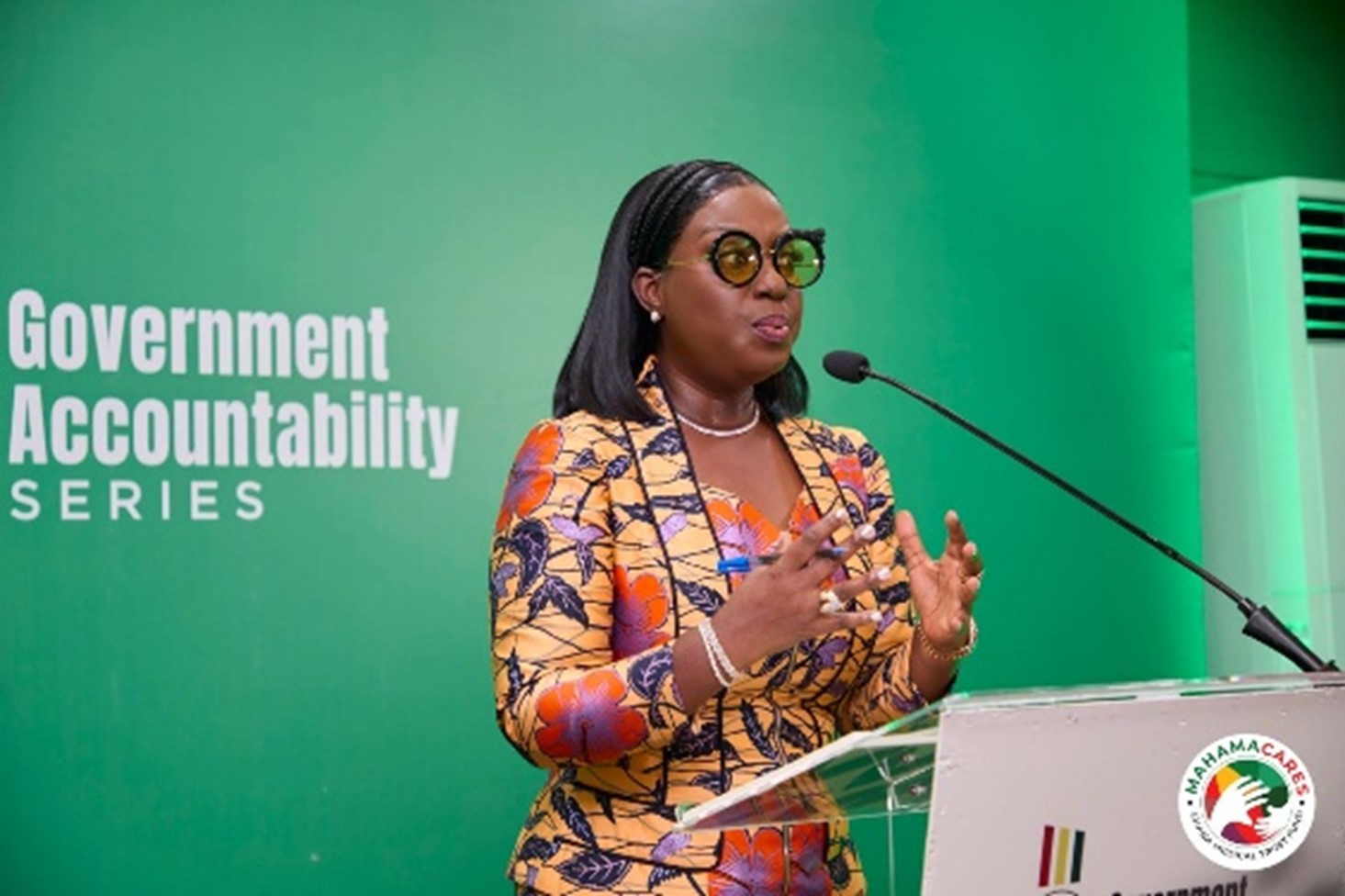
Ghana’s much-touted MahamaCares Initiative officially the Ghana Medical Trust Fund (GMTF) will begin nationwide patient support in June 2026. The announcement came at Monday’s Government Accountability Series at the Presidency, delivered by Fund Administrator Adjoa Obuobia Opoku–Darko.
The ambition is unarguable: ensure no Ghanaian is denied life-saving specialised healthcare due to cost. The reality is starker.
Chronic non-communicable diseases (NCDs) account for 43% of all deaths in the country. Cancer, kidney disease, cardiovascular illnesses, stroke and diabetes are bleeding families dry.
The Fund, established by Act 1144 of 2025, draws from 20% of the National Health Insurance Levy, plus government allocations, grants, investments and voluntary contributions.
President John Dramani Mahama has donated six months of his salary. Other appointees and private organisations have followed. But symbolism alone does not buy radiotherapy machines.
The GMTF Secretariat became operational in September 2025. Since then, a nationwide assessment of 21 health facilities has uncovered alarming shortages.
Findings: just two MRI machines and five mammogram machines across all assessed facilities. Ghana has only two public-sector radiotherapy machines and one private-sector unit. All three are located in Accra and Kumasi. A patient in Tamale requiring radiation faces a 400-kilometre journey south, assuming space is available.
The Fund has responded by initiating construction of three cardiology centres at Korle Bu, Komfo Anokye and Tamale Teaching Hospitals, in collaboration with the Ministry of Health. Dialysis machines, ICU beds and patient monitors have been distributed to Sunyani Teaching Hospital, Holy Family Hospital and Volta Regional Hospital.
But cardiology centres do not materialise overnight. And the dialysis machines, while welcome, barely scratch the surface of kidney disease prevalence.
On specialist training, the Fund has partnered with the Ghana College of Physicians and Surgeons, the College of Nurses and Midwives, and the College of Pharmacists. More than GH¢36 million has been invested to train specialists in oncology, cardiology, nephrology and related fields.
A pilot phase conducted in February 2026 enrolled just 50 patients testing systems for onboarding and claims management. The cost for those 50 patients exceeded GH¢4.8 million, covering heart surgeries, chemotherapy, radiotherapy and brain surgeries for beneficiaries aged six months to 85 years.
That averages nearly GH¢100,000 per patient. If scaled nationally, the arithmetic becomes sobering.
The June nationwide rollout will initially focus on cancers: breast, cervical, prostate and childhood cancers including leukaemia and lymphoma. The programme will operate through 29 enlisted hospitals across the country.
Eligibility requires Ghanaian citizenship, an active NHIS card, and a condition covered under the benefits package. Crucially, applications must be initiated digitally by specialist clinicians at participating hospitals not directly by patients at the Secretariat. That centralises control but risks delays.
The Fund’s longer-term ambition includes comprehensive oncology and cancer centres nationwide, starting with the Greater Accra Regional Hospital as a pilot site. Waiting times for cancer treatment, currently measured in months, are a silent killer.
MahamaCares is a necessary intervention. No serious observer disputes that Ghana’s tertiary healthcare infrastructure is woefully under-resourced. And the Fund’s leadership deserves credit for publishing assessment data a departure from the opacity that has plagued previous health financing initiatives.
But questions linger. Will the 20% NHIL levy prove sustainable as demand rises? Can the Fund avoid becoming a political slush fund, as some voters already whisper? And most urgently: when June arrives, will the 29 enlisted hospitals be ready or will patients find a system overwhelmed before it truly begins?
The Administrator spoke of a “major milestone”. For the family unable to afford chemotherapy, it cannot come soon enough. But milestones are not the same as outcomes.