


German-backed project cuts water use by up to 40% but faces sustainability hurdles
By Leo Nelson
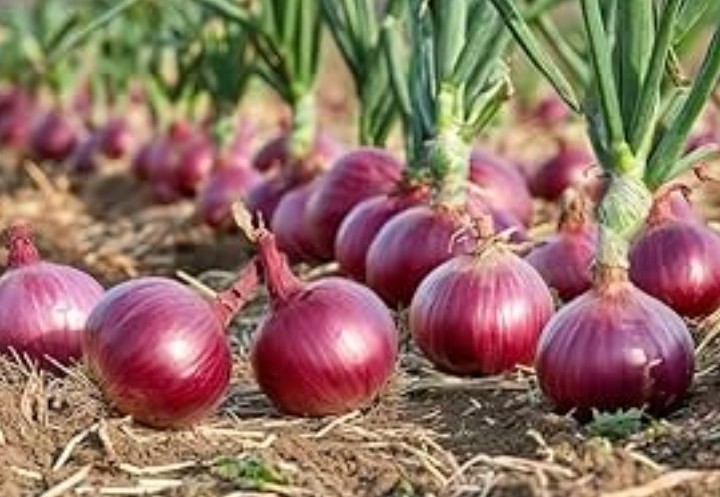
A climate-smart agriculture scheme in Namiyela, West Mamprusi Municipality, has raised yields and reduced water consumption for more than 60 women smallholders.
The initiative, funded by GIZ, EWS Group and Deutsche Postcode Lotterie via TU eMpower Africa e.V., combines solar-powered irrigation, post-harvest storage and cooperative marketing.
Implemented by local NGO ReliefEcho Ghana, the project trains farmers in composting, mulching, organic pest control and irrigation scheduling. A 10,000 cubic metre water storage facility now feeds drip and spray tube systems; another of similar capacity is under construction to cover four acres. A 50‑tonne onion store aims to cut post‑harvest losses.
Founder Joshua Taiwo Adefila said the initial phase focused on soil moisture and dry‑season cultivation. Farmers learnt to maintain solar pumps, which can reduce water use by 20‑40% while increasing output. Demonstration plots along the White Volta are managed cooperatively.
Yet challenges remain. Trainer Nicholas Atubiga noted that business skills grading, pricing, bookkeeping are still taking root. The newly formed Agurekankang Cooperative has a nine‑member leadership, but facilitators recommend continuous mentoring and a dedicated irrigation management committee to sustain infrastructure.
Beneficiary Ophelia Ayamga urged women to take ownership. Farmers themselves have asked for expanded irrigation, stronger market links and ongoing technical support. Without these, the project’s long‑term impact on onion production across northern Ghana could fall short of its promise.