

Cong Song, the China’s Ambassador to Ghana, has called for greater representation and participation of African countries in global decision-making, arguing that the current international governance system must better reflect contemporary political and economic realities.
He said Africa and other developing regions deserve a stronger voice in institutions responsible for decisions on global peace, security, finance, trade and development.
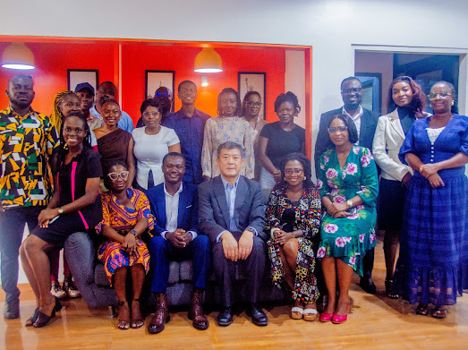
Ambassador Song made the remarks during an engagement with media professionals participating in the 2026 Ghana–China Media Fellowship, organised by the Africa-China Centre for Policy and Advisory (ACCPA) in Accra.
His presentation, which focused on China’s approach to global governance, security and international cooperation, highlighted the need for a more representative international system founded on sovereign equality, multilateralism and respect for international law.
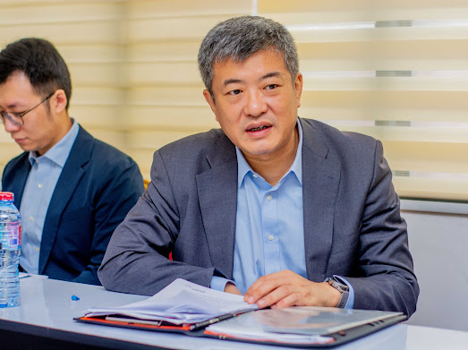
According to the ambassador, many global institutions were established under historical conditions that no longer fully represent the composition and interests of today’s international community. Reforms, he argued, should give developing countries greater influence over decisions that directly affect their economies, security and development prospects.
He presented China’s Global Governance Initiative as an effort to promote a fairer and more inclusive international system through consultation, cooperation and shared responsibility. He also stressed that all countries, regardless of their size, wealth or political influence, should be treated as equal participants in international affairs.
For African countries, the call for reform is particularly relevant as the continent continues to advocate stronger representation in institutions such as the United Nations Security Council and international financial organisations.
A stronger African voice could help ensure that global policies respond more effectively to the continent’s priorities, including development financing, debt sustainability, climate change, peace and security, technology access and reform of the international financial architecture.
However, greater representation alone may not guarantee greater influence. African countries will also need stronger regional coordination, clearly defined common positions and the institutional capacity to shape negotiations and hold global institutions accountable.
The media also has an important role in examining whether proposals for global governance reform translate into meaningful changes for African countries, rather than remaining largely diplomatic commitments.
The ambassador’s engagement gave the fellows an opportunity to examine China’s position on reforming the international system and consider how Africa can participate more effectively in shaping global rules.
The Ghana–China Media Fellowship seeks to strengthen journalists’ understanding of the evolving Ghana–China relationship and promote informed, evidence-based and critical reporting on the partnership.
The Ambassador added that, China’s four major global initiatives present new opportunities for Ghana and other African countries to advance development, strengthen international cooperation and contribute to reforms in global governance.
He identified the Global Development Initiative (GDI), Global Security Initiative (GSI), Global Civilization Initiative and Global Governance Initiative as interconnected responses to widening development gaps, persistent security challenges and weaknesses in the international system.
Ambassador Cong made the remarks during an engagement with media professionals participating in the 2026 Ghana–China Media Fellowship, organised by the Africa-China Centre for Policy and Advisory (ACCPA) in Accra. His presentation focused on China’s approach to global governance, security and international cooperation.
According to the ambassador, the Global Development Initiative seeks to place development at the centre of the international agenda and accelerate progress towards the United Nations Sustainable Development Goals.
He said its priorities, including poverty reduction, food security, industrialisation, digital development and climate action, align closely with the development aspirations of Ghana and the wider African continent.